


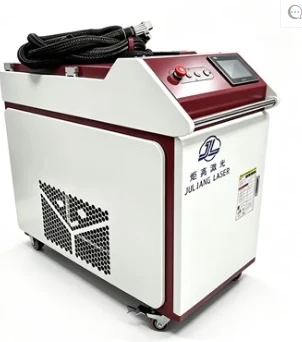
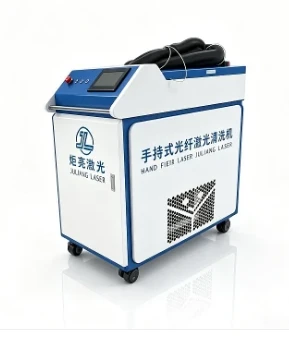
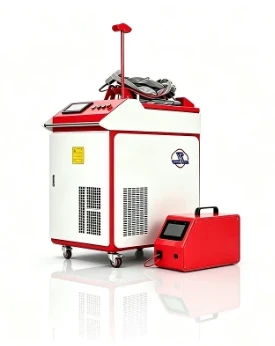
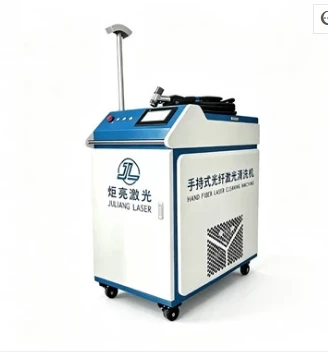
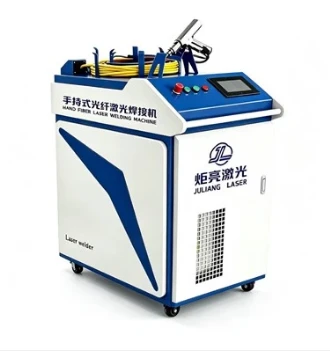
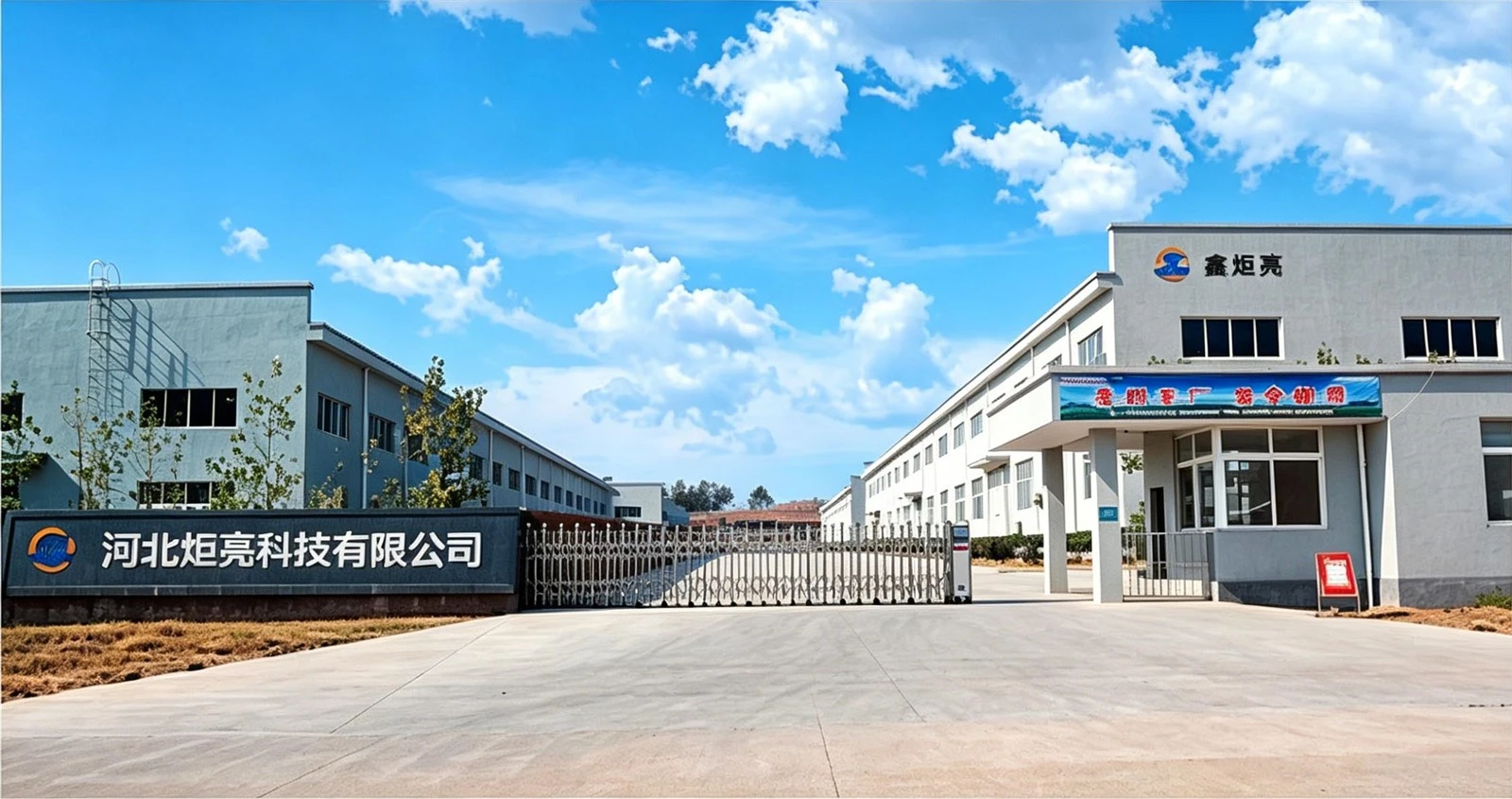
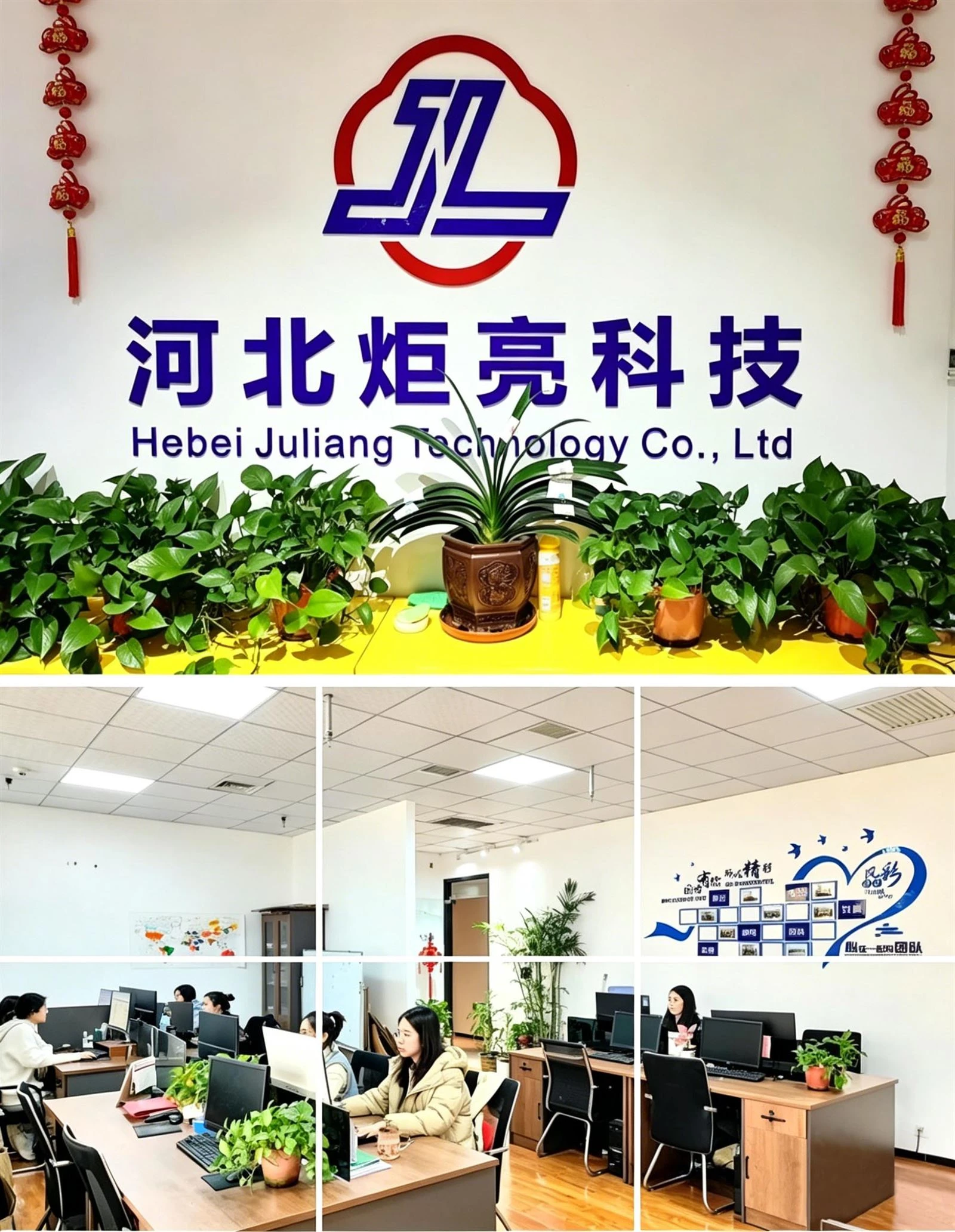
Hebei Juliang Technology Co., Ltd. is one of the leading manufacturers and suppliers of heavy duty handheld laser rust remover in China. Please feel free to buy CE approved machinery made in China here from our factory. All customized machines are with high quality and competitive price.
A heavy-duty handheld laser rust remover is basically a portable fiber laser system that delivers concentrated pulses to vaporize rust, paint, and oxide layers off metal surfaces-without grinding into the base metal underneath. No chemicals, no abrasive blasting media, no secondary waste stream to manage. You point the cleaning head at the problem area, pull the trigger, and the contamination turns into fine dust that you extract with a vacuum attachment.
The heavy-duty designation here isn't marketing fluff. This machine is built for daily use in harsh environments-think shipyards, structural steel fabrication shops, mining equipment maintenance yards, and heavy machinery overhaul facilities. The air-cooled architecture keeps it simple: no water chiller, no coolant lines to winterize, no separate chiller skid taking up floor space. Plug it into standard 220V single-phase power and you're operational within minutes.

Heavy-duty cleaning power for thick coatings and rust layers. The pulse energy and peak power are sufficient to strip mill scale, heavy rust, epoxy primer, and powder coatings in a single pass. On structural steel, we've seen rust removal at speeds that consistently outpace abrasive blasting on comparable coverage areas. The pulse duration is short enough that the substrate doesn't heat up-you can clean painted steel without warping thin sections or altering the metallurgy underneath.
Non-contact ablation preserves the base material. Grinding removes a thin layer of the substrate every time. Over repeated maintenance cycles, that adds up to measurable material loss. Laser cleaning removes only the contamination-the surface roughness of the cleaned area stays close to the original substrate profile. This is critical for precision parts, structural welds where thickness matters, and components that go through multiple refurbishment cycles.
Adjustable parameters for different jobs. Power output, pulse frequency, and scanning speed are all adjustable via the control interface. You're not locked into one cleaning profile. For light surface oxidation on aluminum, you can dial down the power and increase speed. For heavy rust on thick steel plate, crank it up. The interface stores up to 50 user presets, so when you switch between job types, you're not re-tuning from scratch each time.
Scan width up to 150mm covers more ground per pass. That translates directly to less operator time per part. With a 150mm cleaning path, you're covering about twice the area per pass compared to typical 80mm heads. On large flat sections, the productivity difference is substantial
True plug-and-play operation. There's no installation beyond uncrating and connecting power. No water hookup, no compressed air requirement (though we recommend extraction for dust control). You're up and running in under an hour from delivery.
Low ongoing cost. Consumables are limited to the protective window in the cleaning head-it's user-replaceable and inexpensive. No abrasive media to purchase and dispose of, no chemical waste to manage, no water treatment. The total cost of ownership is significantly lower than blasting or chemical stripping over a 12-month period.
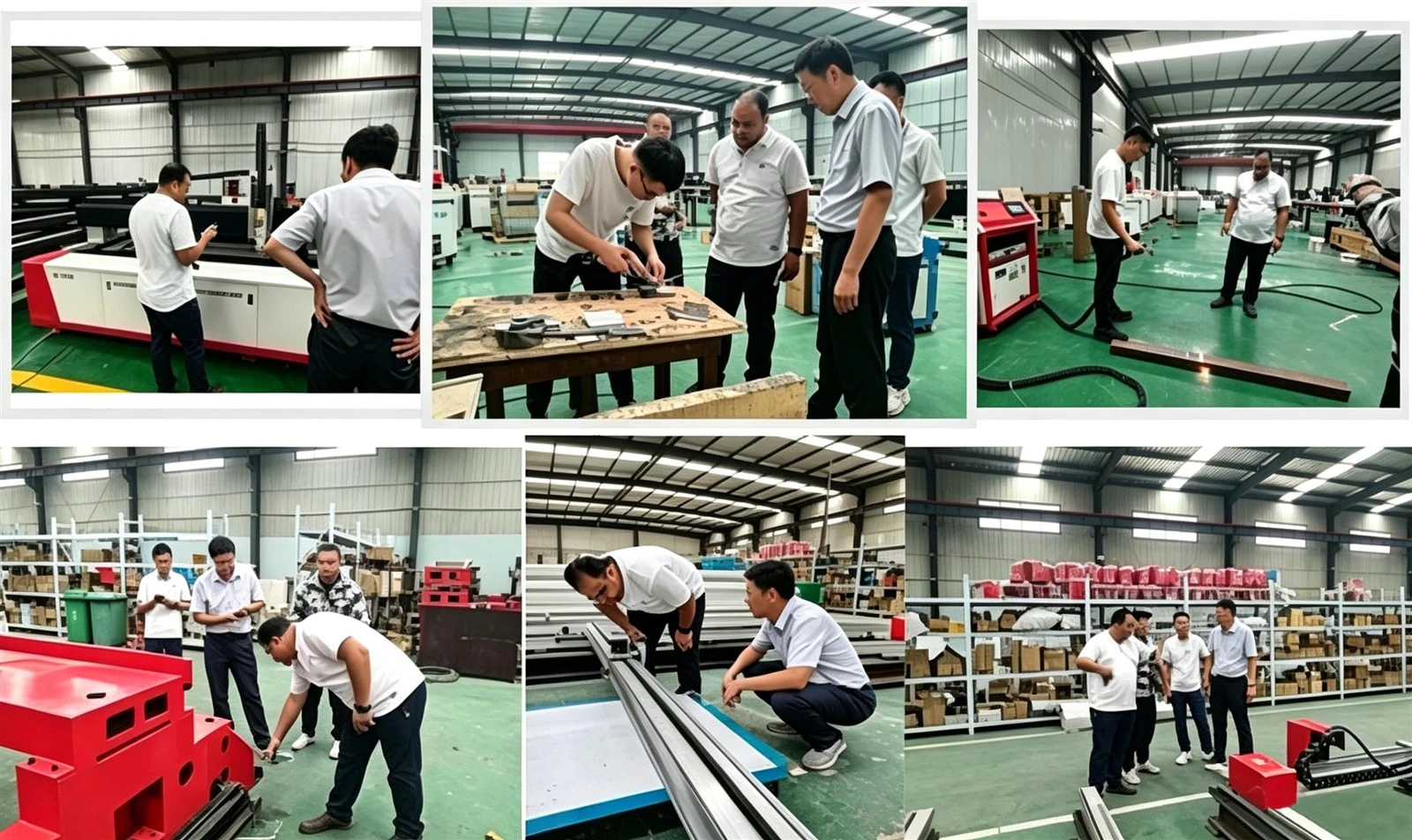
Raw Material → Incoming inspection for steel plate, profiles, optical modules, and electronic components. We maintain traceability on all critical parts.Shipment → Each crate includes the unit, cleaning head, extraction hose, protective eyewear, operator manual, and a certificate of test with the measured output power from final inspection.
Frame Welding → The chassis and support structures are welded in-house using positioning jigs to maintain alignment. Tolerance targets are tighter than the industry average-we've seen what happens when frames are even slightly out of spec.
Stress Relief → Every welded frame goes through thermal stress relief in a controlled furnace. This step is non-negotiable in our process. It prevents the distortion that would otherwise occur over months of use.
Machining → Mounting surfaces for the laser source, optical path, and control electronics are precision-machined on CNC milling equipment. Surface flatness and parallelism are checked at multiple points.
Assembly → The laser source, beam delivery optics, control system, cooling fan assembly, and housing are integrated on dedicated assembly stations. Each subassembly is tested individually before final integration.
System Testing → Every completed unit undergoes a full functional test: laser output power verification, pulse characteristic measurement, cleaning performance on standard test coupons, thermal stability at 40°C ambient, safety interlock validation, and extraction efficiency check.
Packing → Foam-lined crates with custom inserts for the cleaning head, cable, and accessories. Packaging is designed to survive international shipping-we've refined this through years of export experience.
Configuration Options: Which Power Level Fits Your Work
| Model | Laser Power | Application Suitability |
|---|---|---|
| 200W | Light to medium rust, paint stripping, mold cleaning | Best for shops doing general fabrication and maintenance work. Handles mill scale, light paint, and moderate rust on steel and stainless. |
| 300W | Heavy rust, thick paint, high throughput | For workshops with heavy rust removal needs or high production volumes. Suitable for structural steel, shipyard work, and heavy equipment overhaul. |
| 500W | Extreme coatings, maximum productivity | For full-time cleaning operations where throughput is the primary metric. Handles heavy epoxy coatings and thick corrosion in a single pass. |
Selection guidance: If you're primarily doing weld prep on new steel with light surface oxidation, 200W is sufficient. If you're regularly cleaning equipment that's been outdoors for years, go 300W. If your business is surface cleaning-you're a dedicated service provider or have a high-volume production line-500W pays off through faster cycle times.
We can run sample tests on your material at our facility. Send us a sample piece with your typical contamination, and we'll test it and recommend the appropriate power level. That's a free service-it's the best way to avoid under- or over-specifying.
Q: How does heavy-duty handheld laser cleaning compare to sandblasting on cost?
A: Sandblasting has lower upfront equipment cost but higher ongoing consumable and disposal expense. Laser cleaning uses no media, no chemical waste disposal, and lower labor hours per part. Payback is typically 6-18 months depending on volume. We can run a side-by-side cost estimate for your specific workload.
Q: What's the actual cleaning speed on painted structural steel?
A: Depends on coating thickness, but typical workshop speeds range from 20-50 square feet per hour on heavy paint with the 300W model. That's removing the coating completely in one pass. Compare to grinding: one operator might clean 10-15 square feet per hour on similar material. The data comes from our own internal testing and customer field reports.
Q: Can this laser remove rust from inside pipes or enclosed spaces?
A: The cleaning head is handheld and straight-line-it requires line of sight to the surface. For pipe interiors, you'd need a different delivery configuration or a right-angle head, which we don't offer. Open access surfaces only.
Q: What happens if the laser gets bumped and the alignment shifts?
A: The optical mounting is designed to withstand normal shop handling. If you drop the cleaning head from height or impact the chassis hard enough to shift alignment, you'll see a pattern change in the cleaned surface. That requires factory realignment-we don't advise field adjustment.
Q: Do you offer a trial period or equipment demo?
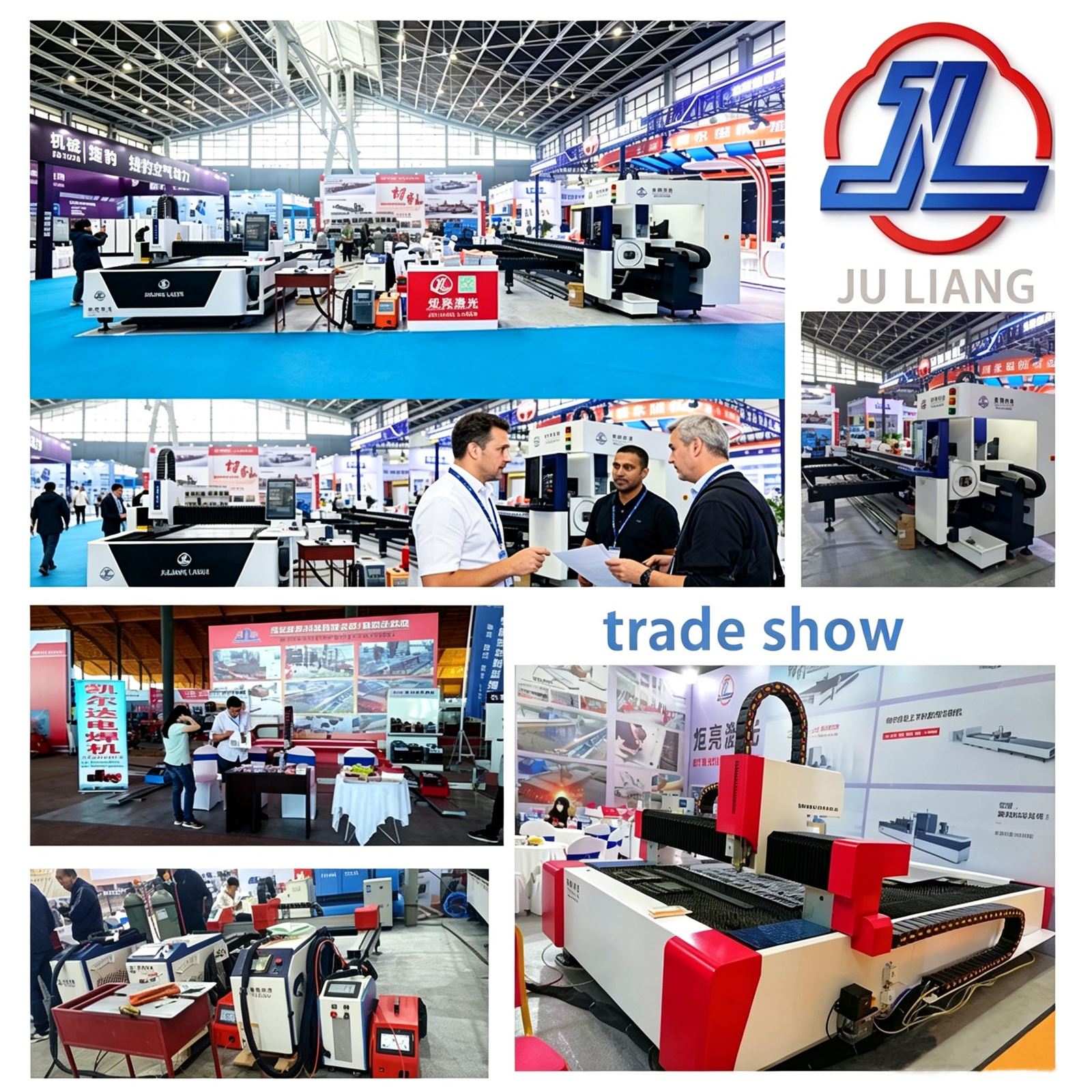
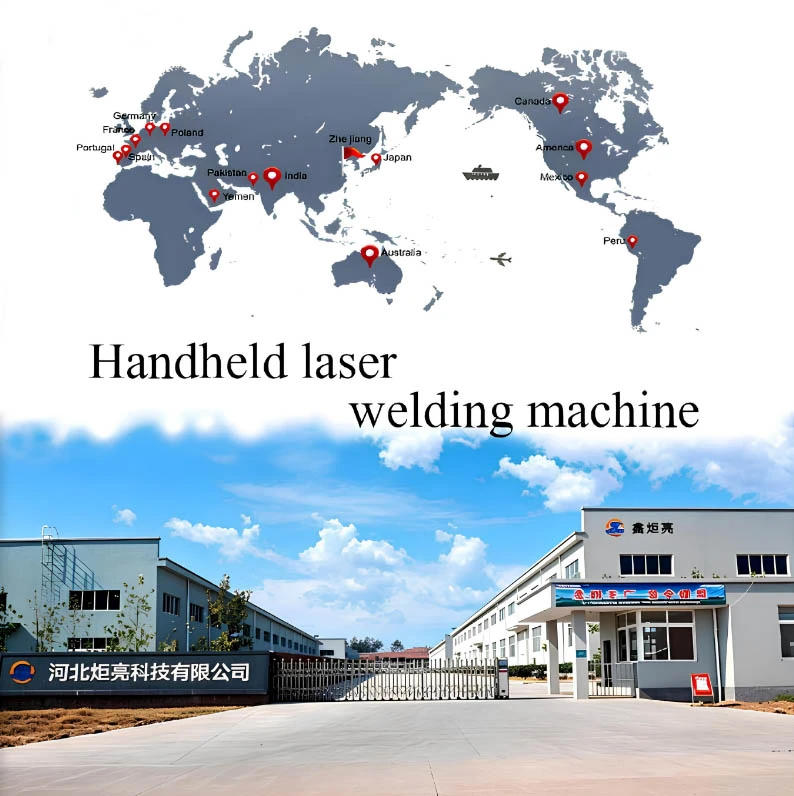
A: We provide free sample testing at our factory on your material. For local customers, we can sometimes arrange an onsite demo. For international buyers, the sample test is the practical option-you see results before committing.
Hot Tags: heavy duty handheld laser rust remover, China heavy duty handheld laser rust remover manufacturers, factory


