


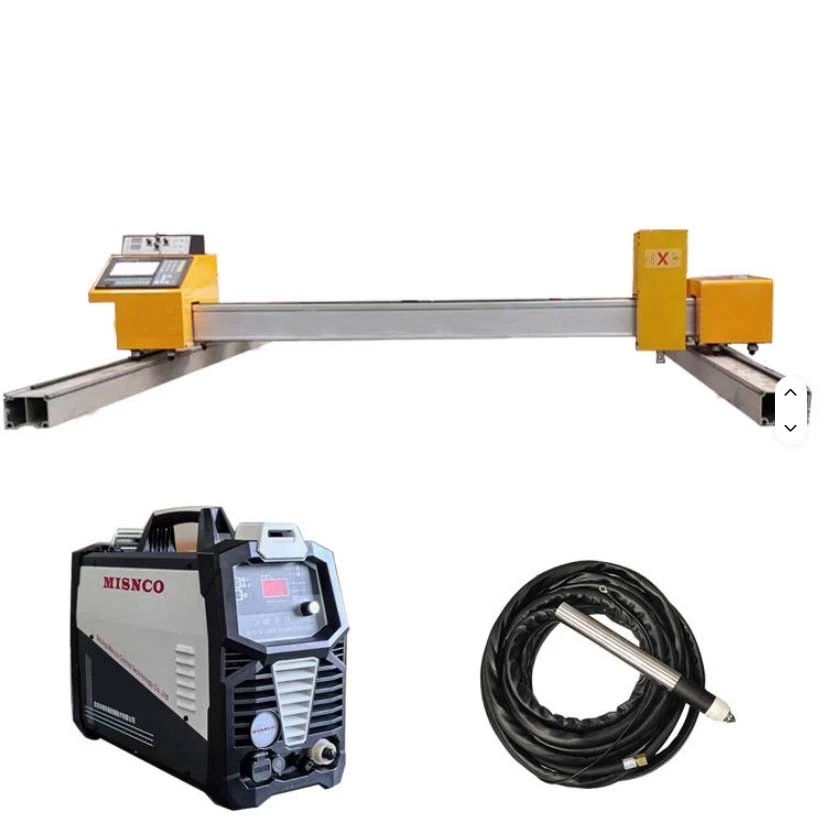
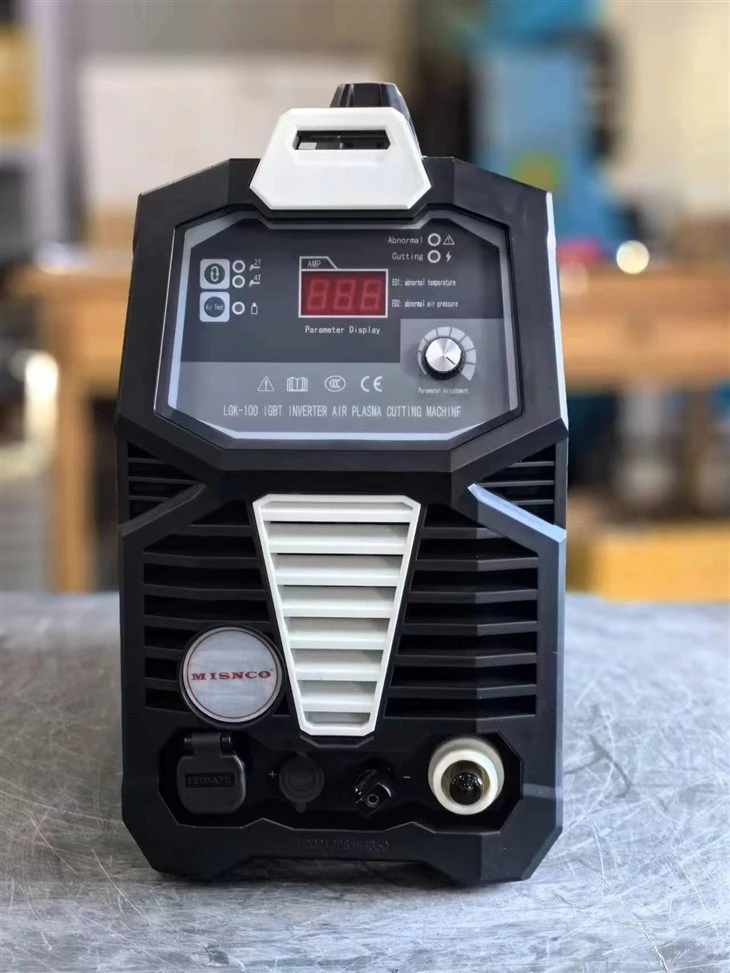
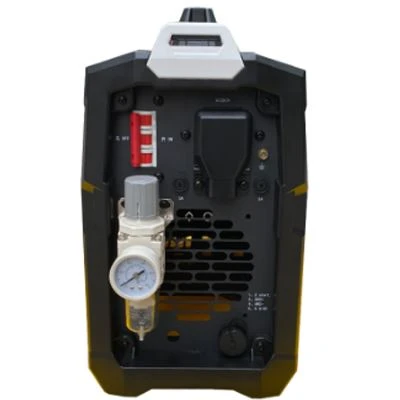
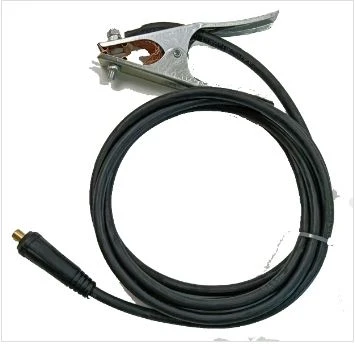
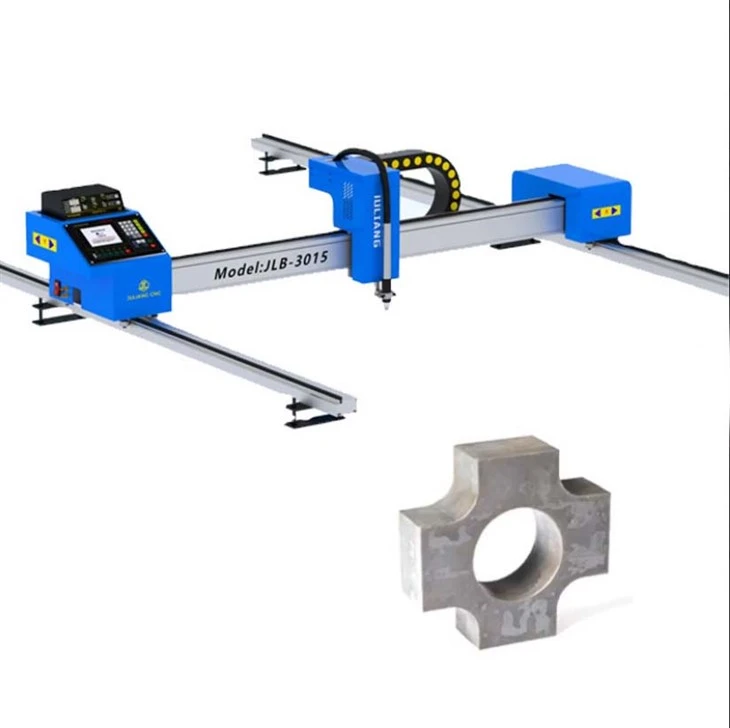
Hebei Juliang Technology Co., Ltd. is one of the leading manufacturers and suppliers of misen cnc plasma cutting machine in China. Please feel free to buy CE approved machinery made in China here from our factory. All customized machines are with high quality and competitive price.
What Does CNC Plasma Actually Mean for Your Shop?
A CNC plasma cutting machine is essentially a computer-controlled motion system paired with a plasma power source. The CNC reads a CAD file, converts it into tool paths, and guides the torch along those paths while the plasma does the cutting. The machine handles the positioning, the height control, and the cutting sequence automatically.

Where These Systems Actually Get Deployed
Job shops – Custom fabrication, brackets, frames, repair parts. The ability to store cutting parameters for different materials and thicknesses is a big deal. One operator can switch from 6mm steel to 12mm stainless in a few minutes, recall the saved settings, and start cutting.
Small to medium fabrication shops – Shops that need consistent, repeatable cuts but don't have the budget for laser. CNC plasma fills that gap. The capital investment is lower, and the operating costs are manageable.
Automotive and motorsports – Custom chassis components, suspension brackets, roll cage parts. The non-high-frequency arc ignition means less electrical noise-important if you're working near sensitive vehicle electronics or other CNC equipment.
HVAC and sheet metal – Cutting ductwork, roofing panels, and thin gauge materials. The system handles both handheld and machine torch configurations.
Art and metal fabrication – Intricate metal artwork, sculptures, signage, and architectural elements. The precision of CNC control opens up possibilities that aren't practical with manual cutting.
How We Integrate and Install These Systems
For a standalone CNC table integration, we typically spend about two to three days on setup.
Table fabrication – The CNC table or gantry is welded from structural steel, stress-relieved, and machined flat. The bed needs to be flat within a reasonable tolerance-the height controller compensates for minor variations, but it can't fix a badly warped table.
Rail and drive installation – Linear guide rails are installed and aligned. Rack-and-pinion drives with servo or stepper motors are mounted and preloaded. The drives determine your cutting accuracy and repeatability.
Power source mounting – The Misen plasma unit is installed with proper cooling and ventilation. At 30-40kg, it needs a sturdy mounting platform.
Torch and height control – The plasma torch and automatic torch height controller are mounted on the Z-axis. The height control uses arc voltage feedback to maintain consistent standoff distance.
Air system integration – A refrigerated air dryer and coalescing filters are installed upstream. This is the single most important factor in consumable life. Moisture or oil in the air stream damages electrodes and nozzles quickly.
Control integration – The CNC controller is wired to the plasma interface. The Misen unit's real-time communication protocol is configured and tested.
Test cutting – We run test cuts in the customer's material, verify edge quality, and adjust parameters until the cut quality meets their requirements. This is where we dial in the cut speed, amperage, gas pressure, and torch height for each material and thicknes.
Frequently Asked Questions
What's the difference between a Misen CNC plasma system and a generic plasma cutter on a CNC table?
The Misen system is designed for CNC integration from the ground up. The plasma source communicates with the CNC in real-time, adjusting current at pierce and corner points. A generic power supply doesn't do that-you're stuck with fixed parameters that don't adapt to the cut. The difference shows up in corner quality and pierce consistency.
What's the advantage of non-high-frequency arc ignition?
It eliminates electrical interference with CNC controls and nearby electronics. If you've ever had a plasma cutter mess with your computer or control system, you'll appreciate the difference. The ignition is also more concentrated, which improves cut quality and reduces wear on the torch.
What thickness can a Misen CNC plasma system handle?
A 55-amp unit handles up to about 12mm steel with good quality. A 125-amp unit handles up to about 20-25mm. For thicker material, step up to the 151-amp or higher models. The system cuts thicker material at reduced speed, but the edge quality drops off.
How long do plasma consumables last on a Misen system?
In air plasma systems, a set of nozzle and electrode typically lasts 400 to 600 starts. At higher amperage or on thicker material, life is shorter. The single biggest factor is air quality-clean, dry air can extend consumable life significantly. A refrigerated air dryer is the best investment you can make.

About the Company
Hebei Juliang Technology Co., Ltd. is one of the most professional plasma cutting machine for misen manufacturers and suppliers in China, featured by quality products and good service. Please rest assured to buy CE approved plasma cutting machine for misen from our factory. Welcome to contact us for customized service and discount information.


Hot Tags: misen cnc plasma cutting machine, China misen cnc plasma cutting machine manufacturers, factory, cnc high definition plasma cutting machine, dc inverter 50a air plasma cutter, high precision plasma cutter, high speed plasma cutter, plasma cutter with a built in air compressor, plasma cutting machine for misen


