


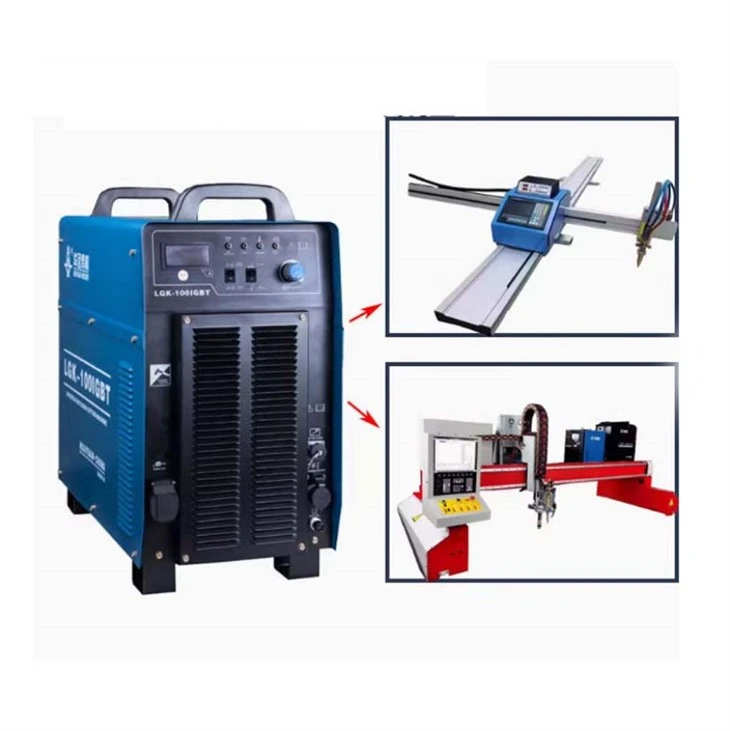
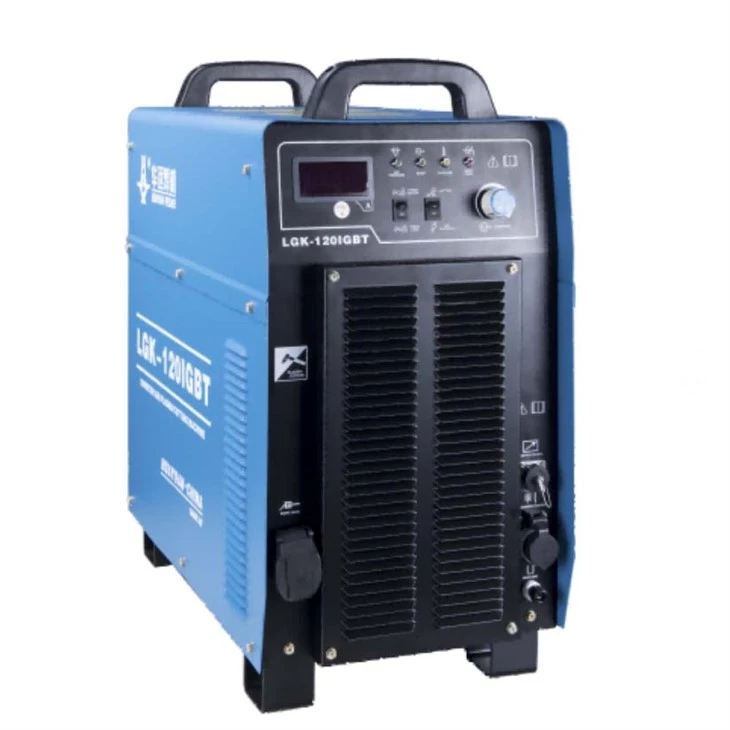
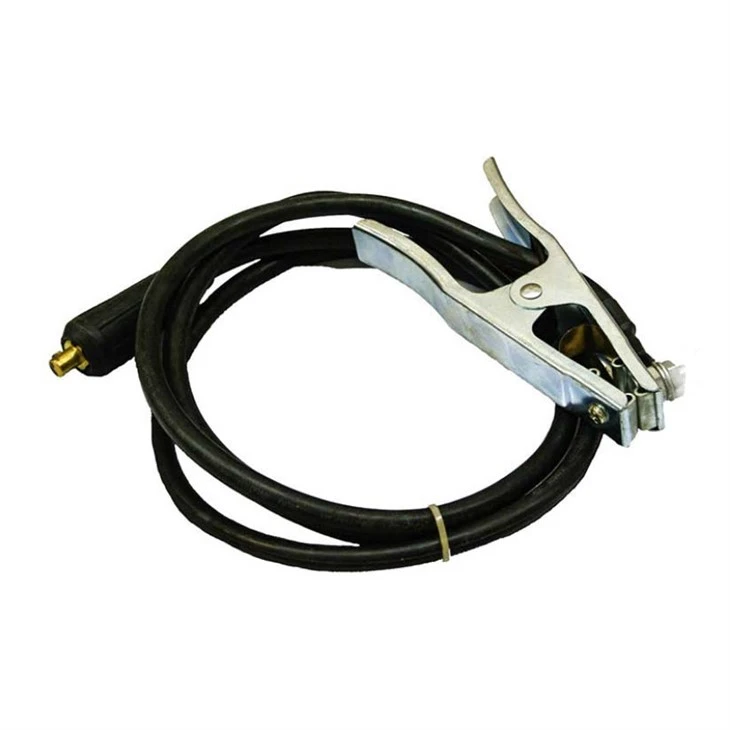
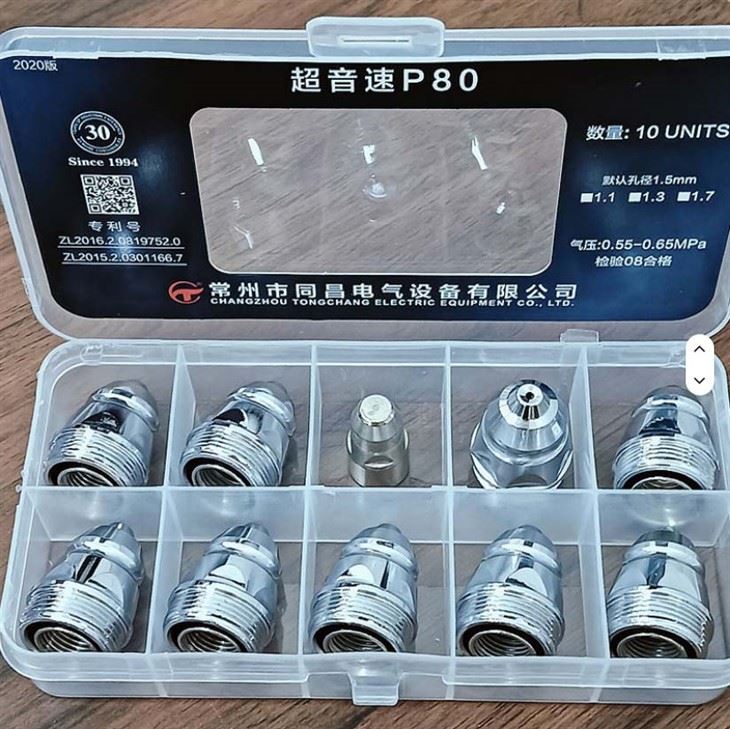
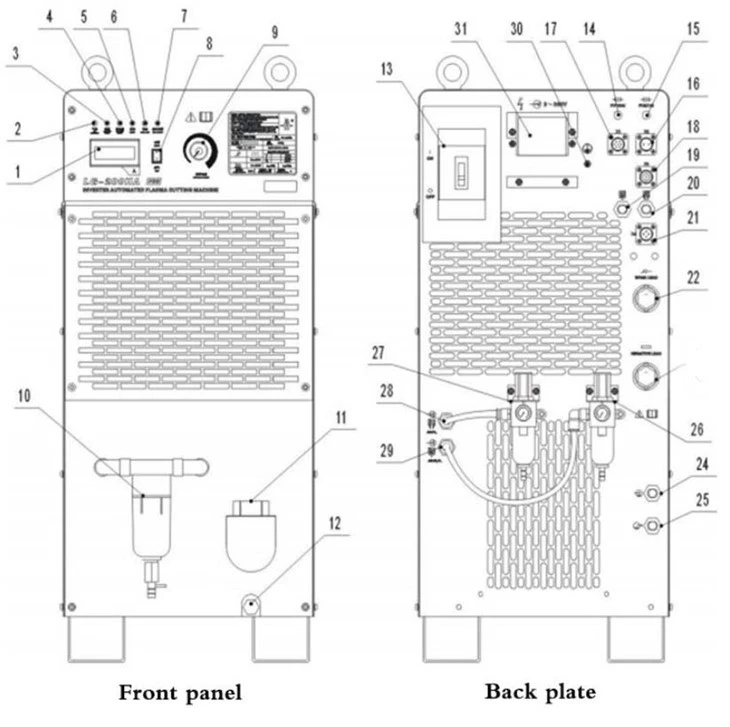
Hebei Juliang Technology Co., Ltd. is one of the leading manufacturers and suppliers of metal plasma cutting machine in China. Please feel free to buy CE approved machinery made in China here from our factory. All customized machines are with high quality and competitive price.

What Is a Metal Plasma Cutting Machine?
A metal plasma cutting machine is an electric arc cutting system that severs conductive metals by melting a localized area with a constricted arc and removing the molten material with a high-velocity jet of ionized gas. The plasma arc reaches temperatures up to 40,000°F-hot enough to melt through steel in seconds.
But here's the practical difference: plasma doesn't rely on oxidation to work-. That means it cuts stainless steel, aluminum, copper, and other non-ferrous metals that oxy-fuel can't touch. It's also significantly faster than oxy-fuel on materials up to about 75mm thick.
We've been supplying these systems to fabrication shops for years. The customers who buy them aren't cutting decorative pieces-they're cutting structural components, machine parts, and equipment frames. They need something that works, day in and day out, without constant adjustments.
How Plasma Actually Cuts Metal
The basic formula is simple: electricity + gas + constriction = plasma arc. Here's what that actually looks like on the shop floor.
Compressed air (or a specialty gas like nitrogen or oxygen) is forced through a narrow nozzle inside the torch. The power supply sends DC current to an electrode. When the arc makes contact with the grounded workpiece, the gas ionizes and becomes plasma-a superheated, electrically conductive jet capable of melting and ejecting metal.
The key components are straightforward: a constant current DC power source, an arc starting circuit, and a torch. The output current (amperage) determines the speed and thickness capability.
One thing we've learned from watching these machines run: the pilot arc is what makes plasma practical. It creates a low-energy arc that ionizes the gas before the main arc transfers to the workpiece. This means you can start cuts on painted, rusty, or slightly dirty surfaces without dragging the tip across the metal.
How Different Metals Behave Under Plasma
Plasma cuts any electrically conductive metal, but the results vary significantly by material.
Mild steel – This is where plasma performs best. The cut is clean, the speed is fast, and the consumables last reasonably well. For structural work and general fabrication, plasma is the standard for a reason. On materials up to 25mm, it's significantly faster than oxy-fuel. The optimal range for edge quality is between 6mm and 38mm.
Stainless steel – Plasma cuts stainless, but there's a trade-off. Air plasma leaves a nitride layer on the cut edge. If the part goes into a corrosive environment-marine, food-grade, chemical-that layer needs to be removed. One customer in Hebei learned this the hard way. They cut a batch of stainless brackets with air plasma, and the edges started rusting within a month. They switched to nitrogen for stainless work after that.
Aluminum – The arc tends to wander on aluminum because of its high conductivity and reflectivity. Higher amperage helps-the arc is stiffer at 200+ amps. On thin sheet under 6mm, plasma works well. On thicker aluminum, the cut quality drops off. If you're regularly cutting thick aluminum, you'd want a system with nitrogen plasma and water shield.
Copper and brass – Possible but not recommended for regular production. The arc reflects off the surface, consumable life is short, and cut quality is poor. Most shops we work with use laser or waterjet for copper.

Case
This shop does custom fabrication and repair work-brackets, patch panels, exhaust components. They had been using a combination of a chop saw and an angle grinder. Cut quality was inconsistent and the grinder created a lot of dust.
We supplied a 50-amp portable plasma unit with a manual torch. The owner told us: "I can cut a 10mm plate in about 20 seconds now. That used to take me a couple of minutes with the saw, plus cleaning up the edge."

Frequently Asked Questions
What metals can a plasma cutter handle?
Plasma cuts any electrically conductive metal-carbon steel, stainless steel, aluminum, copper, brass, and alloy steels. It cannot cut wood, plastic, glass, or masonry. Oxy-fuel only cuts steel, but plasma handles the full range of conductive metals.
How does plasma compare to laser and oxy-fuel?
Laser is faster on thin materials (under 12mm) with better edge quality, but costs significantly more. Plasma is best for medium to thick steel (25-75mm)-it's the stronger, more economical choice. Oxy-fuel is cost-effective for very thick steel beyond 75mm, but it's slow and only cuts steel.
What thickness can a plasma cutter handle?
A 50-amp unit handles up to about 12mm steel. A 100-amp unit handles up to about 25mm. A 200-amp unit handles up to about 50mm. High-power systems (400+ amps) can sever up to 80-100mm. Plasma is most effective from about 5mm up to 75mm.
What's the most common cause of poor cut quality?
Contaminated air. Moisture or oil in the air stream damages electrodes and nozzles quickly. A refrigerated air dryer is the best investment you can make-it typically pays for itself in extended consumable life within 6-12 months.
How long do plasma consumables last?
In air plasma systems, a set of nozzle and electrode typically lasts 400 to 600 starts. At higher amperage or on thicker material, life is shorter. At lower amperage, life is longer. Air quality is the single biggest factor-clean, dry air can extend consumable life significantly.


Hot Tags: metal plasma cutting machine, China metal plasma cutting machine manufacturers, factory, 120A And 200A Plasma Cutter, Automatic 120A and 200A Plasma Cutter, Heavy Duty 120A and 200A Plasma Cutter, Industrial 120A and 200A Plasma Cutter, plasma cutting machine for huayuan, precision cnc plasma cutter


