


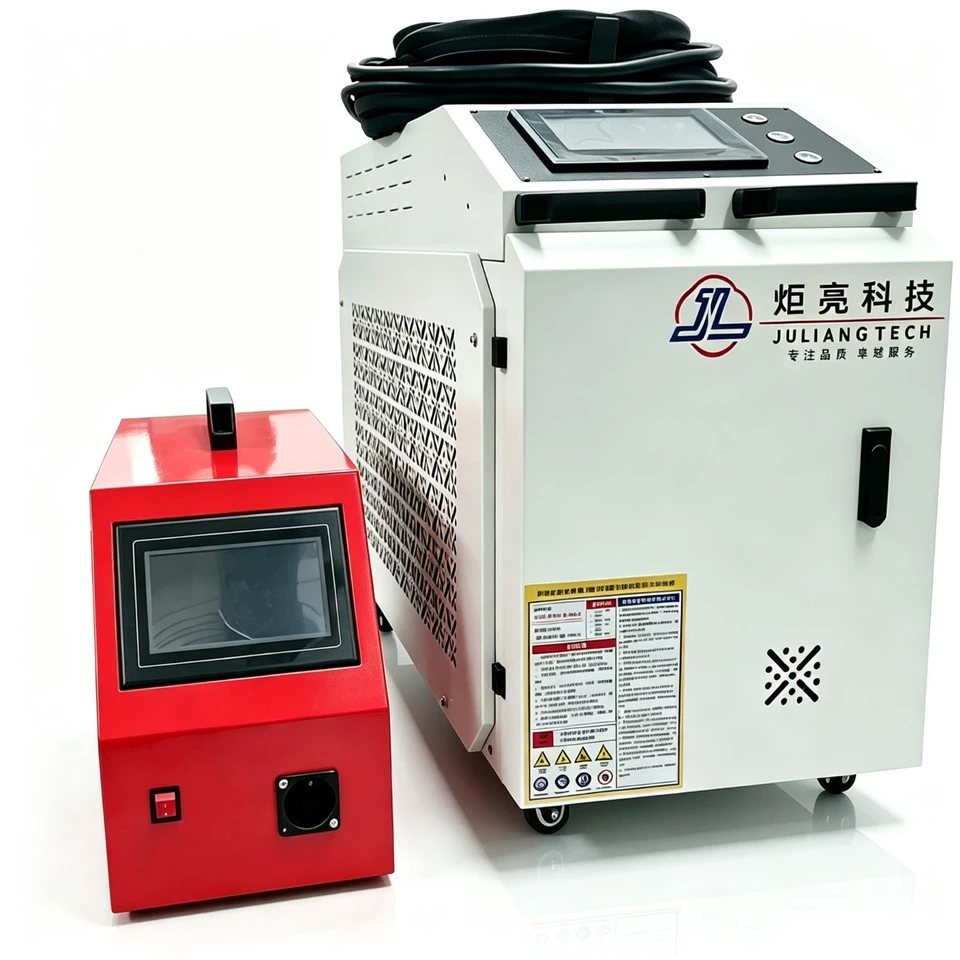


Hebei Juliang Technology Co., Ltd. is one of the leading manufacturers and suppliers of portable water-cooled laser welding machine in China. Please feel free to buy CE approved machinery made in China here from our factory. All customized machines are with high quality and competitive price.
Ask anyone who's bought a portable laser welder: the lightweight ones always seem to compromise somewhere. Either they're air-cooled and overheat after 20 minutes, or they're water-cooled but weigh as much as a small car and you need a forklift to move them. We spent two years figuring out how to get real water-cooled performance into something you can actually roll through a standard doorway and push around a shop floor by yourself. The result is a portable water-cooled laser welding machine that doesn't ask you to choose between mobility and power-it gives you both.

What We Learned About Materials
From People Who Move Machines
Every Day
We talked to a lot of workshop owners before we designed this portable water-cooled laser welding machine. The feedback that stuck with us: "I don't care how powerful it is if I can't get it to the job."
The frame: steel where it counts, aluminum where it doesn't.
The structural core-the part that holds the optical alignment-is steel. That's non-negotiable; steel doesn't flex, and alignment stays true. But the outer panels and non-structural brackets are aluminum. Saves about 15kg without compromising rigidity. We could have saved more weight by going all-aluminum, but then the machine would drift out of alignment every time you rolled it over a bump. Not worth it.
The wheels: not an afterthought.
Cheap casters are the silent killer of "portable" equipment. We use 4-inch polyurethane wheels with locking brakes on both the laser unit and the chiller. Polyurethane doesn't flat-spot like rubber, and it rolls quietly over concrete seams. The brakes actually hold-we tested them on a 5-degree slope with the machine fully loaded. No creep.
The handles: welded into the frame, not bolted on.
Bolted handles loosen over time. We welded the push handles directly to the steel frame. They're also positioned at the center of gravity, so when you tilt the unit back onto its rear wheels, it balances naturally. You're not fighting the weight.
Quick-disconnect water fittings.
The water lines between the main unit and the chiller use industrial quick-disconnect fittings with automatic shutoff. Unplug them and no coolant spills. This is a small detail, but it matters when you're moving the machine frequently. Standard threaded fittings drip every time you disconnect. Ours don't.
The fiber cable: armored and replaceable.
A portable machine gets dragged around more than a stationary one. The 10-meter fiber cable has a steel-braid jacket that resists cuts and abrasion. It's also field-replaceable-if you somehow manage to kill it, you don't send the whole machine back. A tech can swap it in about 20 minutes.
The material choices aren't accidental. Every decision was about making the machine movable without making it fragile.


Who Actually Uses This Thing on the Move
Mobile repair service (Zhejiang)
This company does on-site repairs for injection molding machines-factories that can't shut down production to send parts out for welding. They needed a laser welder that could fit in the back of a van, roll through factory aisles, and run off standard 220V power. They tried an air-cooled portable first. Worked for the first few jobs, then started shutting down mid-repair when the ambient shop temperature was high.
They switched to our portable water-cooled unit. The chiller runs off the same 220V circuit as the laser (we spec a high-efficiency compressor that doesn't trip breakers). They've done jobs in foundries, plastic molding shops, and food processing plants-environments with dust, heat, and limited space. The machine has held up. Their feedback: "We don't even think about overheating anymore. It just runs."
How We Build These Machines
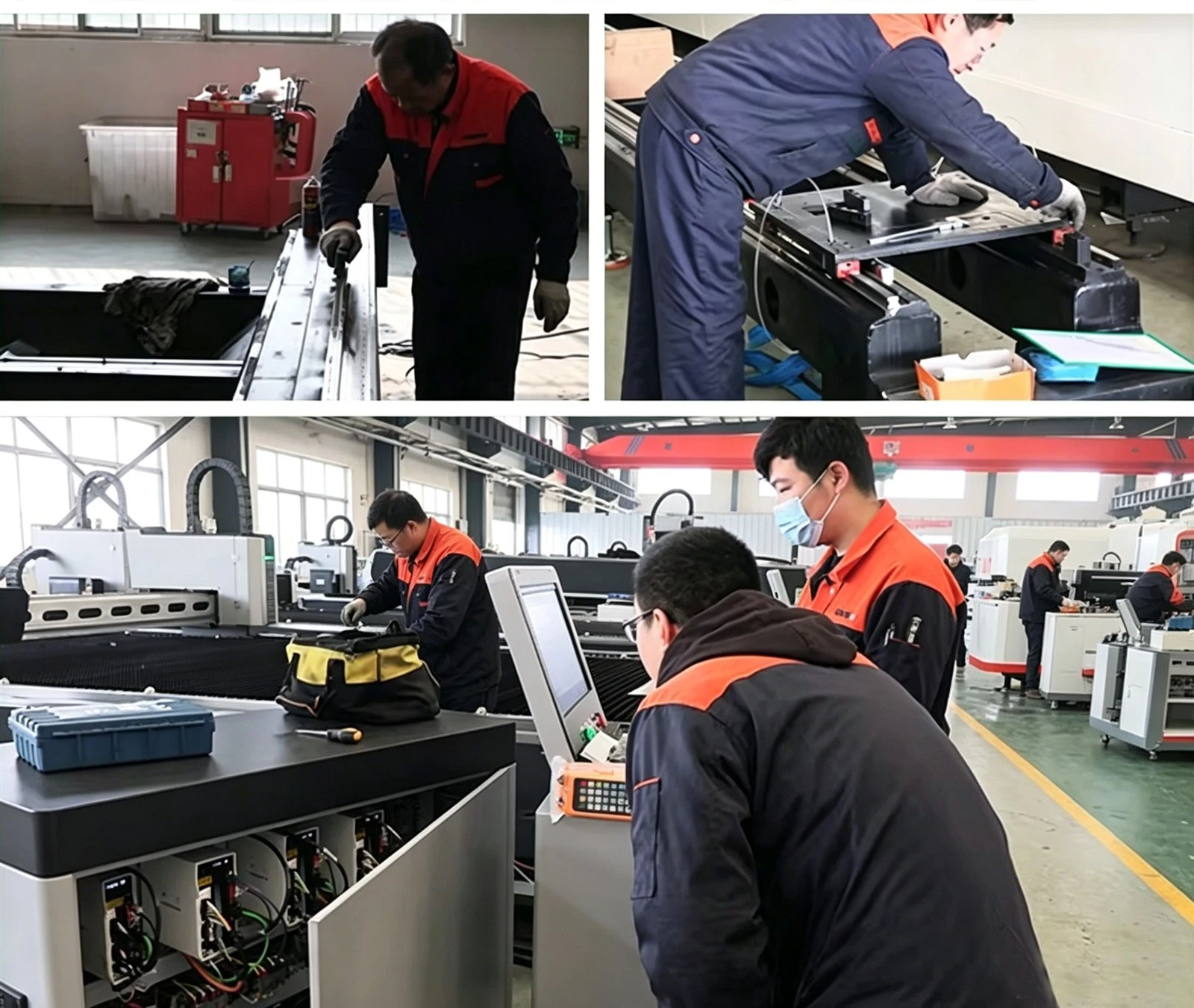
Every unit follows the same assembly process:
Steel frame welding – The main chassis is welded in a jig to ensure squareness. No bolted-together frames that work loose.
Optical alignment – The fiber laser source is mounted to the steel plate, and the beam delivery path is aligned to within 0.1mm tolerance.
Cooling system assembly – The internal water block, pump, and coolant lines are installed. Pressure test at 1.5x operating pressure.
Electrical integration – Power supply, control board, and touchscreen are wired. Firmware loaded and basic functions verified.
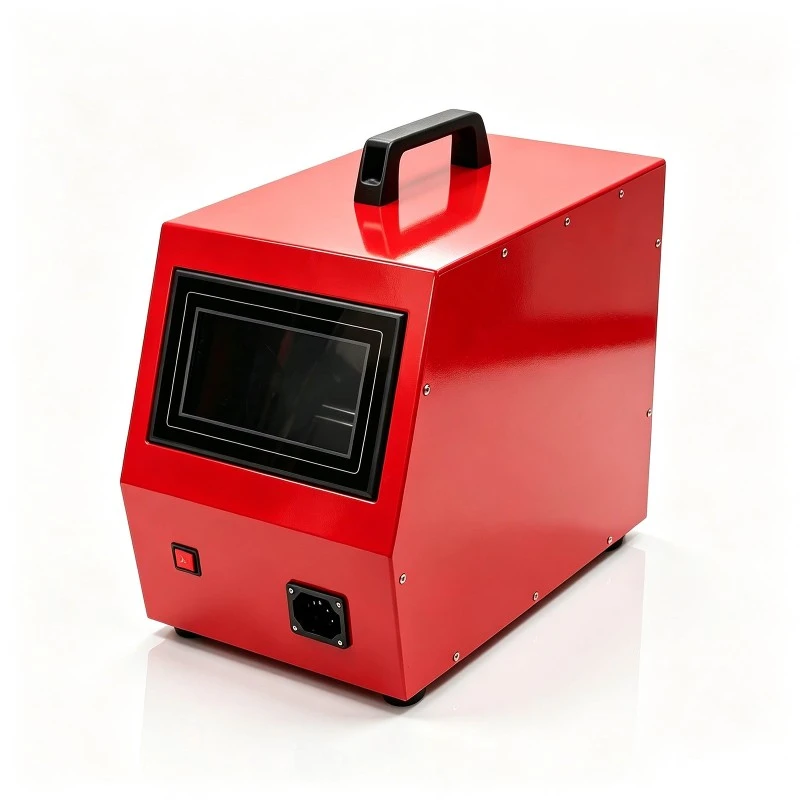
Chiller matching – Each chiller is flow-tested with its paired main unit. They're calibrated as a matched set.
4-hour burn-in – The completed system runs at 2000W continuously while we monitor power output, temperature stability, and noise levels.
Test weld – Stainless and aluminum test coupons welded. Penetration and bead quality inspected.
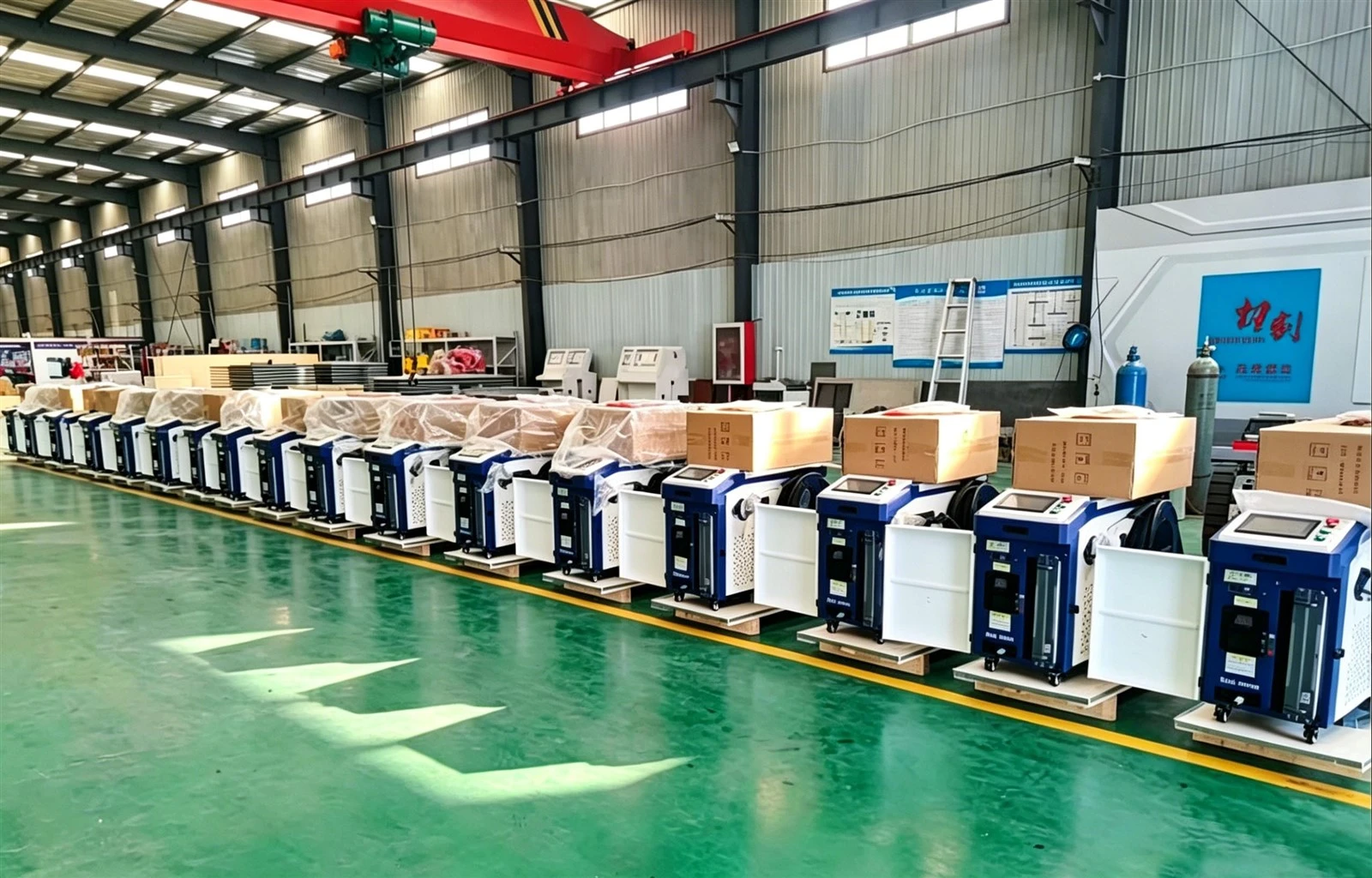
Packaging – The main unit and chiller are secured in separate foam-lined crates. Quick-disconnect fittings capped to keep dust out.
We keep a build log for every serial number. If something goes wrong two years from now, we can check back to see which components went into that specific unit.
Common Problem
Can this Portable Water-Cooled Laser Welding Machine actually run on standard household 220V outlets?
Yes-but with a condition. The machine draws about 30 amps at full power on 220V. That means you need a dedicated circuit with a 32A breaker and appropriate wiring (at least 4mm² cable). You can't just plug it into a standard 10A wall socket-it'll trip the breaker immediately. Many workshops already have these circuits for air compressors or large power tools. Check your panel before ordering, and we'll confirm compatibility.
How long does the water cooling take to "stabilize" when I first set it up?
About 10–15 minutes. When you first power on the chiller, it needs to pull the coolant down to the set temperature (typically 22–25°C depending on ambient). The laser won't fire until the chiller reports stable temperature. Once it's stable, it stays stable for the rest of the day. If you move the machine to a significantly different environment (hot shop to cold shop), allow a few extra minutes for the system to equalize.
How do you maintain the quick-disconnect water fittings-do they leak over time?
The quick-disconnects have internal valves that seal automatically when disconnected. They're rated for thousands of cycles. The seal material is EPDM rubber, which handles the temperature range and the coolant chemistry well. We recommend wiping the male and female ends clean before reconnecting-grit or metal dust can damage the seal surfaces. If a fitting ever drips (we've seen it happen after about 2–3 years of heavy use), the o-rings are user-replaceable in about five minutes.
I do mobile repairs and move the machine in a van-will the vibration damage anything?
The key components are mounted with rubber vibration isolators-the laser source, the power supply, and the pump all have dampers. We've had customers who drive with the machine in the back of vans over rough roads without issues. That said, we don't recommend transporting it with the coolant loop full if you can avoid it-drain it for longer trips to eliminate sloshing and potential air ingestion. The quick-disconnects make draining and refilling simple.
Ready to Try One?
Here's what we offer:
Test your material. Send samples. We'll weld them and send photos, penetration measurements, and recommended settings.
Online demo. We'll walk you through the machine, show you how it moves, how the quick-connects work, and how fast it sets up.
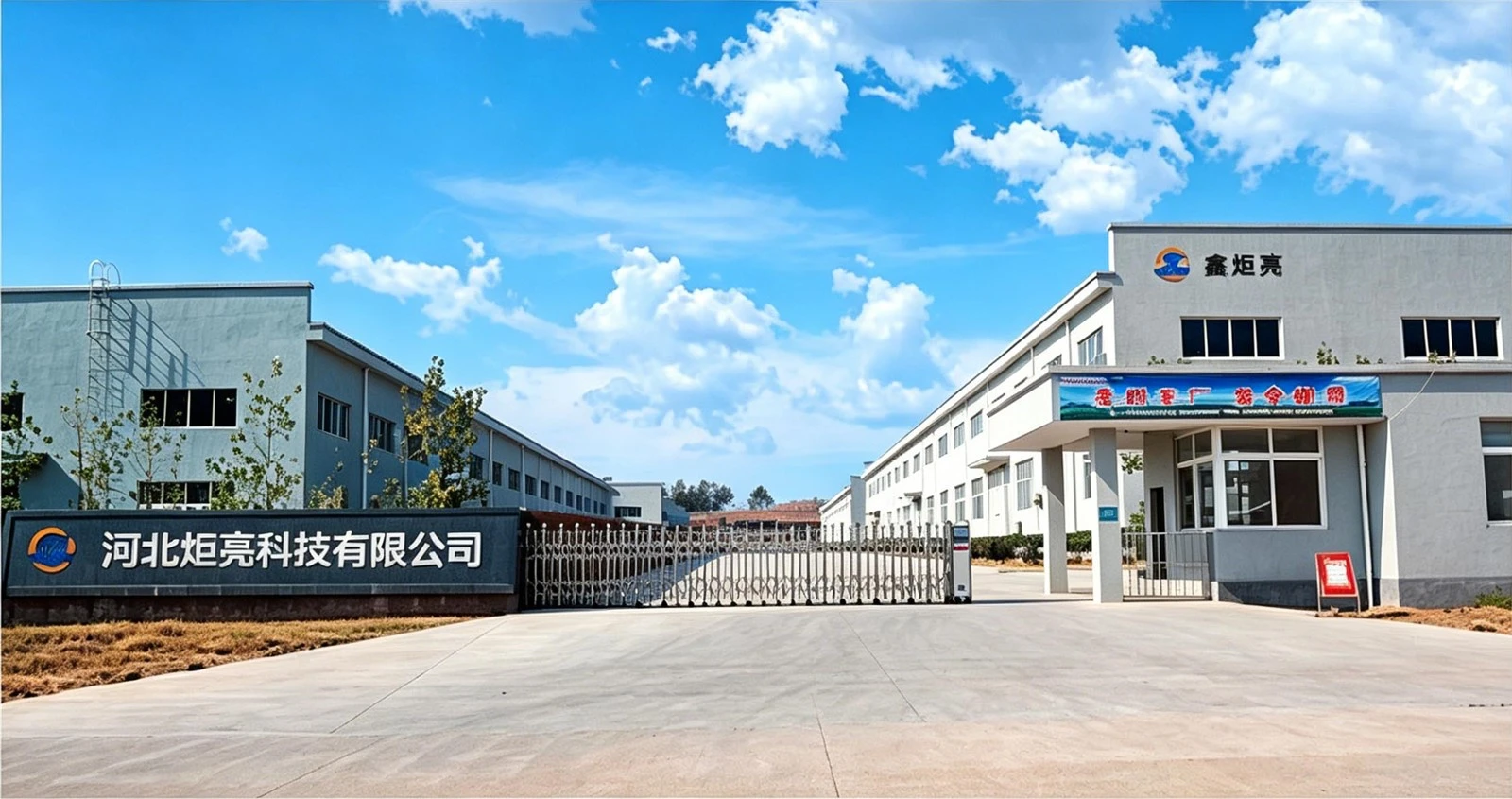
Visit the factory. If you're in China or planning a visit, we'll show you the production line. You can push the machine around yourself.
We don't expect you to buy based on a spec sheet. Come see it, move it, weld with it. Then decide.



Hot Tags: portable water-cooled laser welding machine, China portable water-cooled laser welding machine manufacturers, factory, 3 in 1 laser welding machine, 3 in 1 Water cooled Handheld Fiber Laser Welder, 3000w handheld laser welder, 5 in 1 handheld laser welding machine, handheld laser metal welding machine, multi function handheld laser machine


