


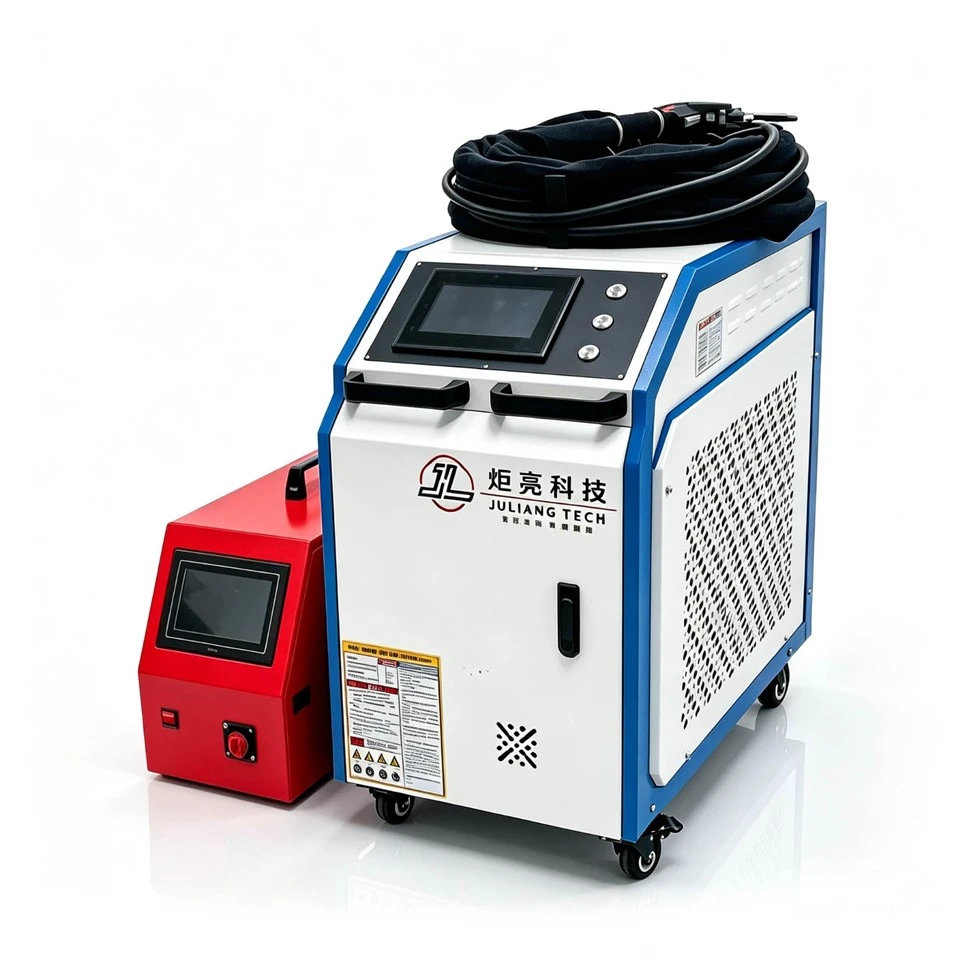
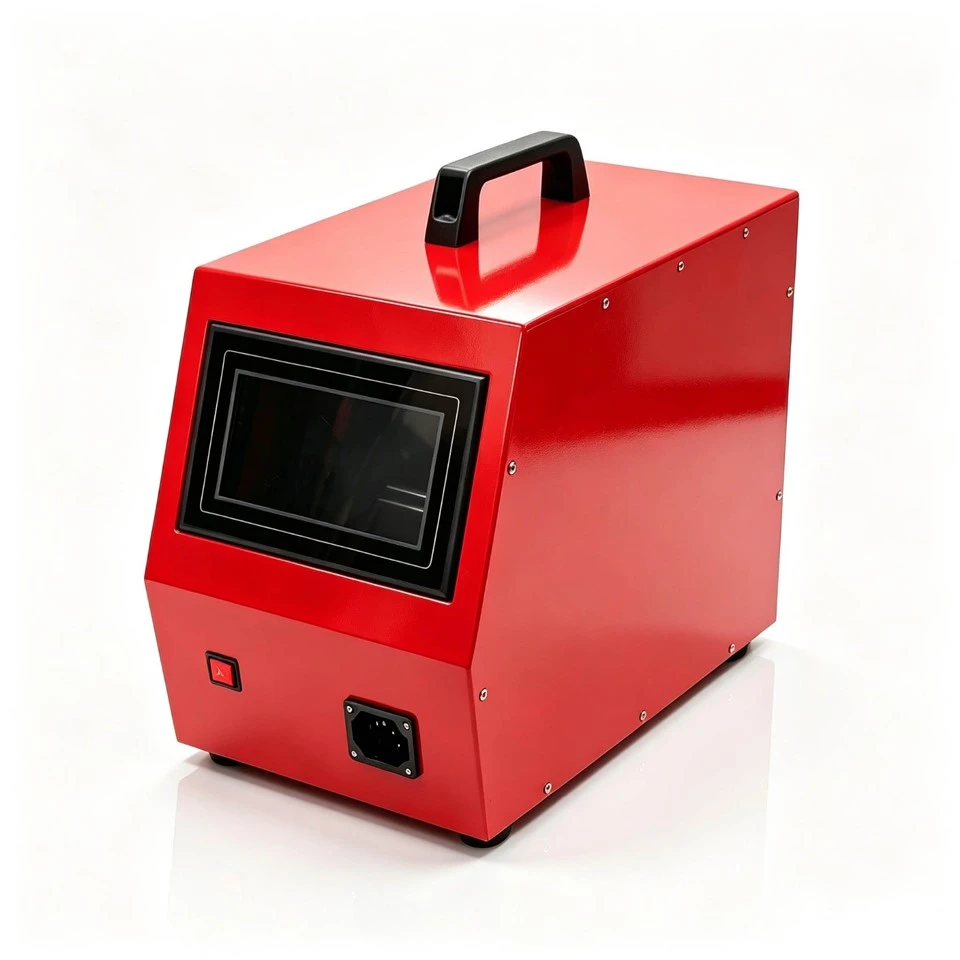
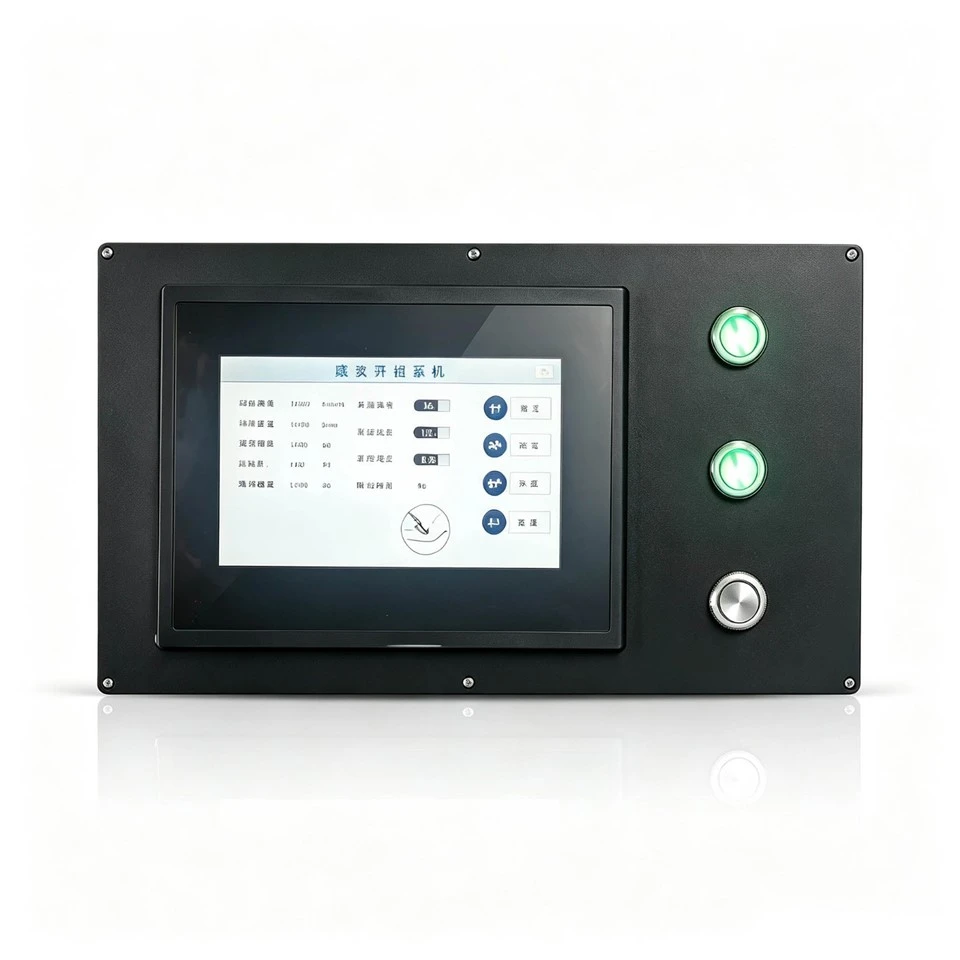
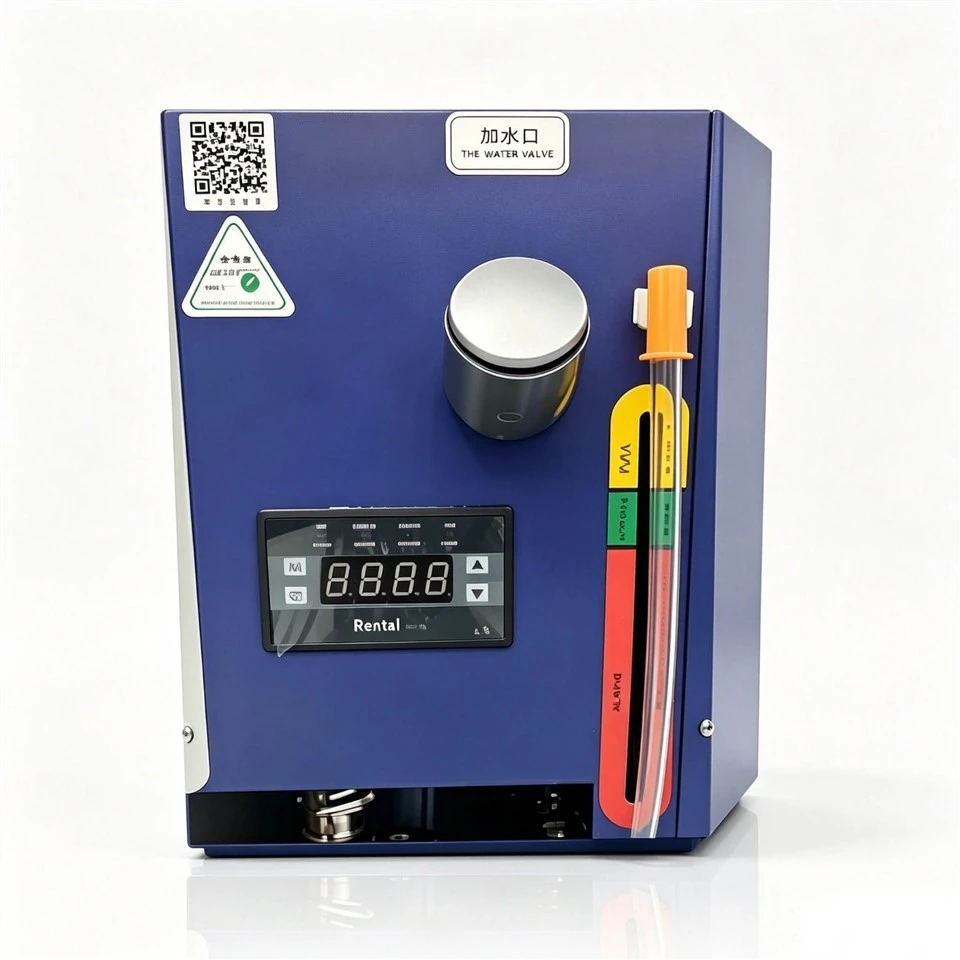
Hebei Juliang Technology Co., Ltd. is one of the leading manufacturers and suppliers of water-cooled fiber laser welding machine in China. Please feel free to buy CE approved machinery made in China here from our factory. All customized machines are with high quality and competitive price.
Why Most Laser Welders Can't Keep Their Promises After Lunch
You know the pattern. First two hours of the shift, everything's fine. Good penetration, clean beads, consistent output. Then around 1 PM, the welds start looking shallower. By 3 PM, you're cranking up the power or slowing down the travel to compensate. By 4 PM, you're wondering if the machine is broken.
It's not broken. It's overheating.
Air-cooled laser welders rely on fans blowing across aluminum heatsinks. Works great for the first hour. But heatsinks can only absorb so much heat before they saturate. Once that happens, the laser source's internal sensors detect the temperature rise and start throttling power to protect the optics. Your "2000W" machine is now running at maybe 1500W-or less.
We built this water-cooled fiber laser welding machine to solve exactly that problem. Instead of relying on passive cooling that eventually fails, we gave it an active chiller-basically a miniature air conditioner that continuously pumps heat away from the laser source. The result? 2000W at 8 AM, 2000W at 2 PM, 2000W at 5 PM. No drop-off. No surprises.

What We've Learned From Hundreds of Installations
The most common mistake we see? Shops buy the machine, unbox it, start welding, and use way too much power for thin materials. They burn through. Then they blame the machine.
The fix is straightforward: reduce the power. A 1mm stainless steel sheet certainly doesn't require 2000W. Try settings like 800W or 1000W, and increase your speed. The Water-Cooled Fiber Laser Welding Machine offers a broad power range for this very purpose.
The second most common mistake: not cleaning the material. Laser welding is unforgiving of oil, oxide, paint, or any surface contamination. The beam can't get through to form a proper weld pool if there's a layer of crap on the surface. Wipe it with acetone or alcohol. It makes a massive difference.
Third: poor gas shielding. The gas nozzle needs to be aimed directly at the weld pool, and the flow rate needs to be correct. Too little gas, the weld oxidizes and turns black. Too much gas, you create turbulence that sucks oxygen into the weld area. Our manual covers the ballpark flow rates, but you'll need to dial it in for your specific torch angle and material.
Why We Care So Much About What's Inside
The quality of a laser welder hinges on its individual components. If those components aren't up to par, the entire system is compromised. Here's how we've ensured excellence:
Fiber Laser Source: Engineered for Continuous Performance.
Our fiber laser source is specifically designed for welding, unlike modified marking or cutting lasers. It's rated for a robust 2000W of continuous output – this isn't just a temporary peak. The distinction lies in the superior pump diodes and internal cooling, which ensure consistent power delivery over extended periods, unlike less expensive diodes that degrade in performance.
Water Block: Uncompromisingly Stainless Steel.
While aluminum is a common, cost-effective choice for water blocks due to its ease of machining and heat conductivity, it degrades over time. It reacts with water, leading to scale buildup that impairs cooling. Our choice of 304 stainless steel, though more expensive and challenging to machine, guarantees resistance to scaling and corrosion, maintaining optimal cooling for years.
Coolant Tubing: Robust Braided Industrial Rubber.
Coolant leaks from hose failures are a common point of breakdown. Hoses that harden with heat cycles can crack, leading to overheating if unnoticed. We utilize textile-braided rubber hoses, identical to those used in heavy-duty hydraulic systems, ensuring they resist hardening, cracking, and chemical exposure under demanding conditions.
Quick-Disconnect Fittings: High-Performance Brass with Double Seals.
All essential water connections utilize brass quick-disconnect fittings featuring dual Viton o-rings. Viton's resilience to heat and chemicals surpasses standard rubber, and the double-seal design provides an extra layer of security against leaks.
Protective Optics: Premium Fused Silica.
The protective window is the final barrier for the laser beam. Unlike standard soda-lime glass, which scratches easily and can develop thermal stress, fused silica offers superior performance. It transmits over 99.5% of the laser wavelength, withstands thermal shock, and its coating actively repels spatter. Despite a higher initial investment, its lifespan of 3-4 times that of conventional glass significantly reduces downtime.
These material decisions are fundamental to the reliability and longevity of the machine, differentiating it from those prone to frequent failures.
scene display


certificate


Frequently Asked Questions
What exactly is a water-cooled fiber laser welding machine and how is it different from other welding methods?
+
-
A water-cooled fiber laser welding machine uses a fiber laser source to generate a concentrated beam for metal joining, with a liquid cooling loop to maintain stable temperature during continuous operation. Unlike TIG welding, it's a non-contact process-no electrode touching the workpiece-which means no tungsten contamination and minimal heat-affected zone. The water cooling allows it to run for extended periods without thermal shutdown, unlike air-cooled lasers that derate when they get hot. It's essentially a production tool, not a workshop auxiliary.
How often do I need to change the coolant and do maintenance?
+
-
Check coolant level and condition every three months. Drain and replace the coolant every 6–12 months. Use distilled or deionized water with corrosion inhibitor additive (we supply it, or you can source locally). Do not use tap water-minerals will scale up the cooling channels over time and reduce heat transfer efficiency. Clean the chiller's dust filter monthly-vacuum it or rinse with water and let it dry completely before reinstalling.
How does the water cooling affect my shop setup and ongoing maintenance?
+
-
The chiller is a separate unit that sits beside the laser main body. It requires regular coolant level checks and periodic filter cleaning-about 15 minutes weekly. The chiller needs adequate airflow for ventilation, so don't box it in. Annual maintenance includes coolant replacement (distilled water with corrosion inhibitor) and cleaning the chiller radiator fins. This is standard industrial refrigeration maintenance; it's not complicated, and we provide a checklist in the manual.
Can the machine be set up for robotic integration or automated applications?
+
-
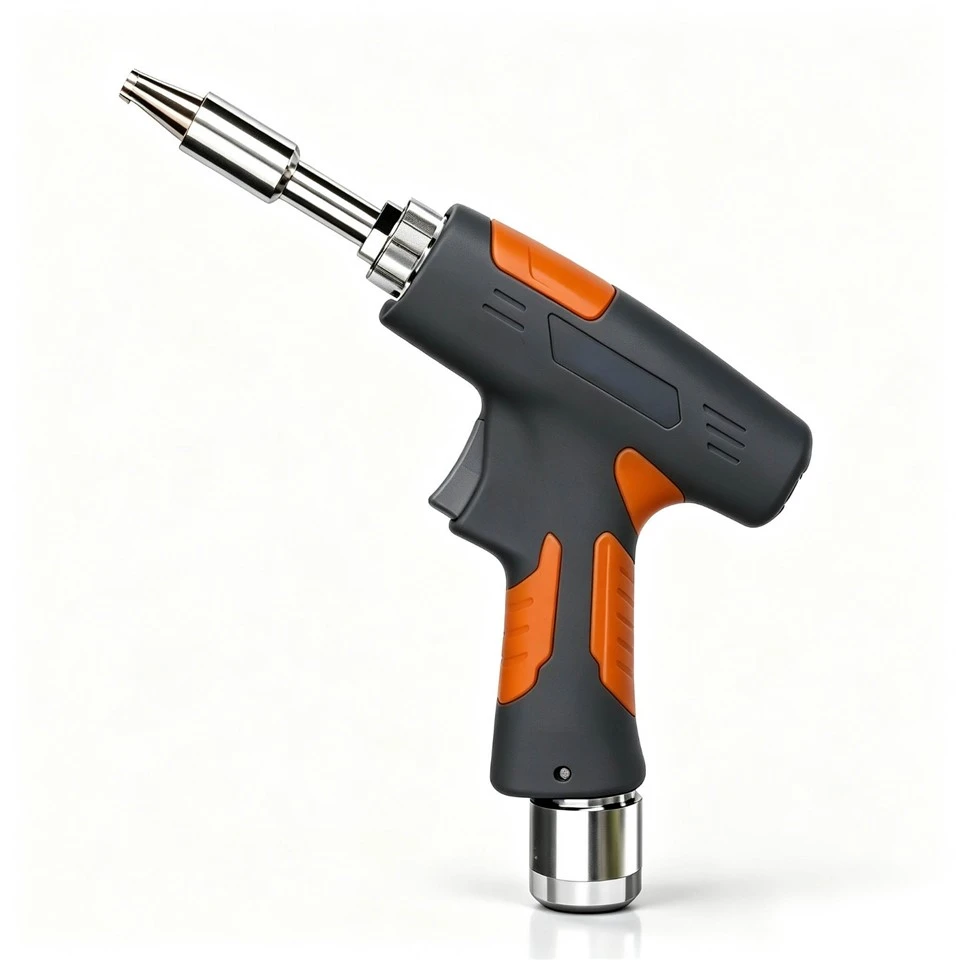
Yes. The system includes an interface port for external control signals, allowing integration with articulated robots, linear tracks, and gantry systems. We've supplied units for automated pipeline welding and automotive subassembly lines. The torch can be fixed-mount or handheld-the same power source works for both. For automated setups, we recommend discussing your specific requirements so we can pre-configure the control interface and cable management.


Hot Tags: water-cooled fiber laser welding machine, China water-cooled fiber laser welding machine manufacturers, factory, 220v laser welding machine, 3 in 1 laser welding machine, 6 in 1 handheld metal laser welding machine, handheld laser metal welding machine, multi function handheld laser machine, portable laser welding cleaning cutting machine


