


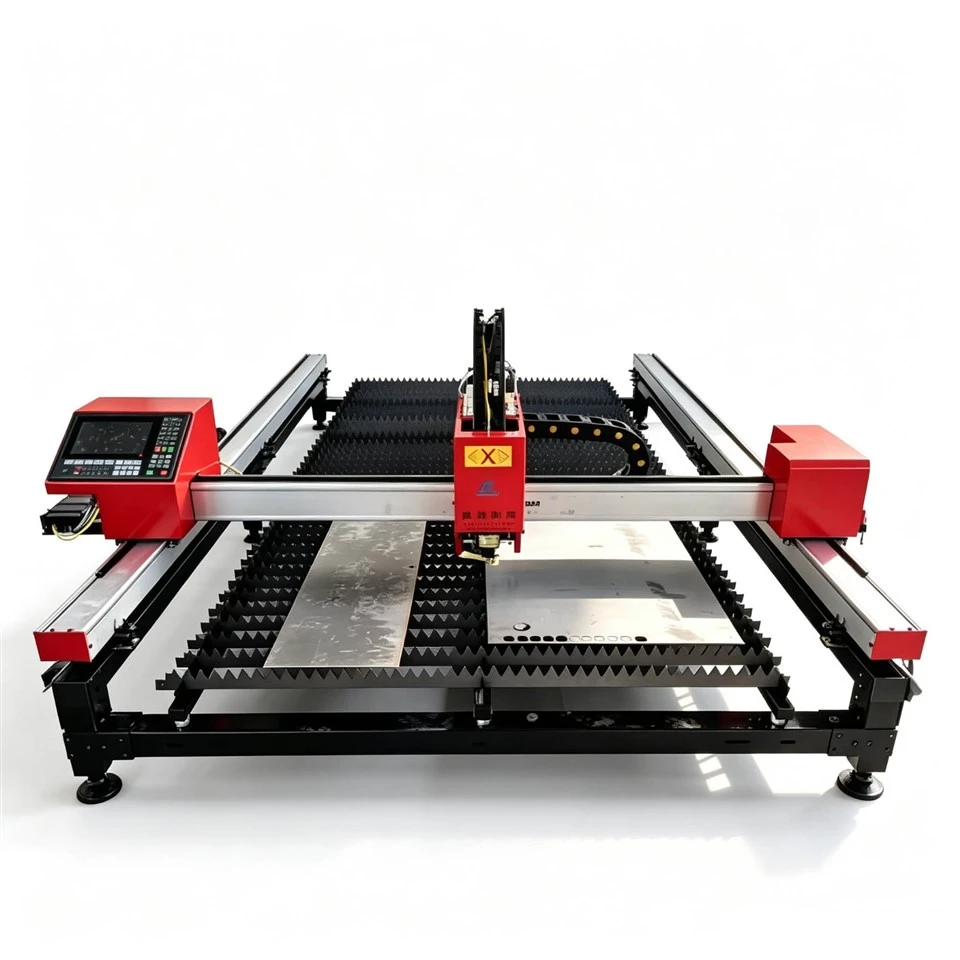
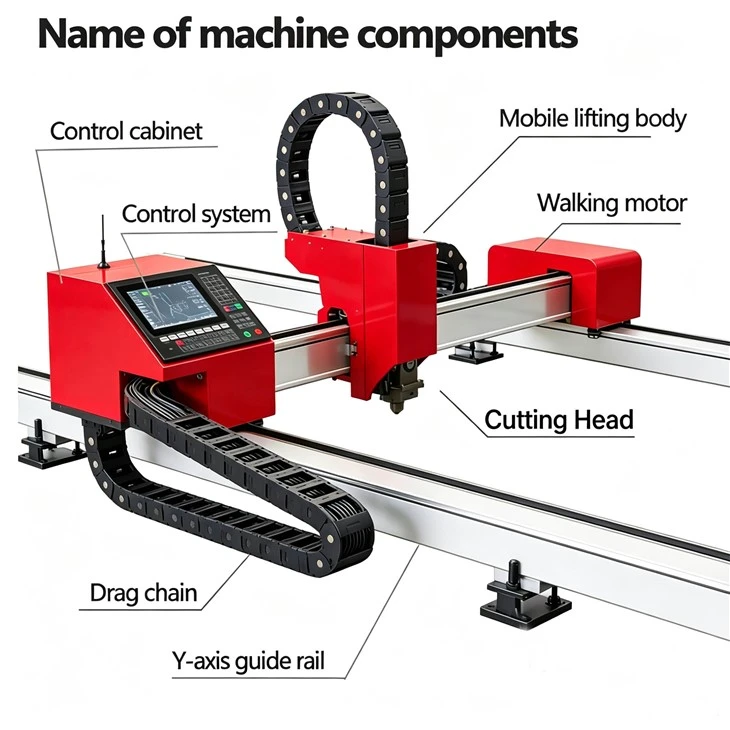
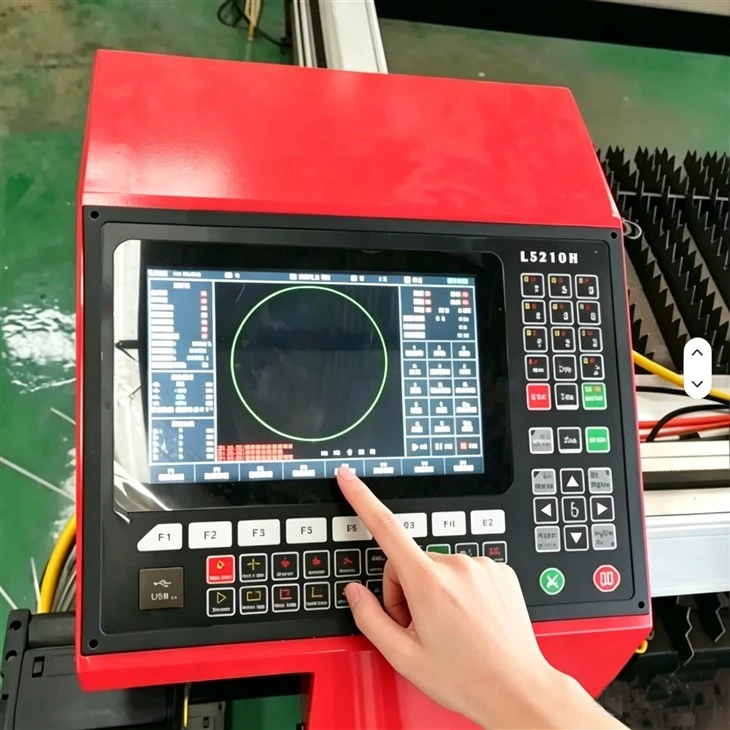

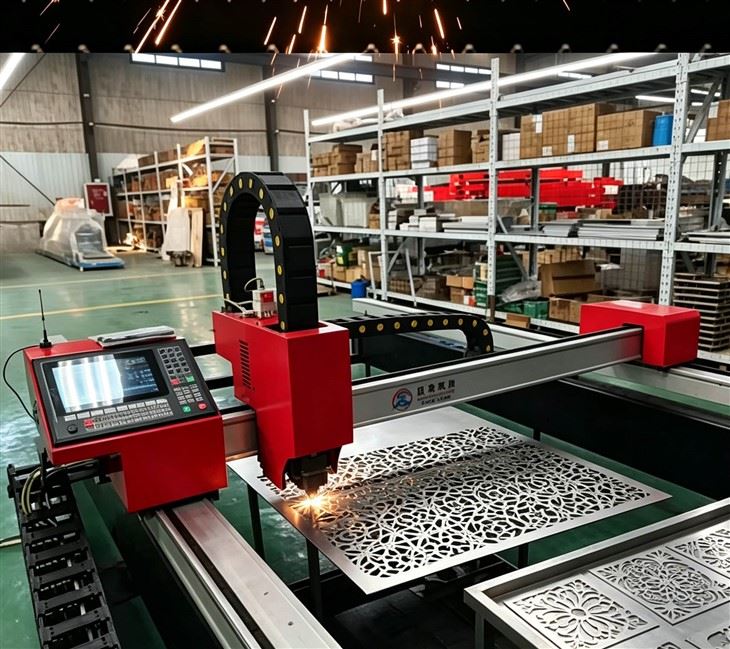
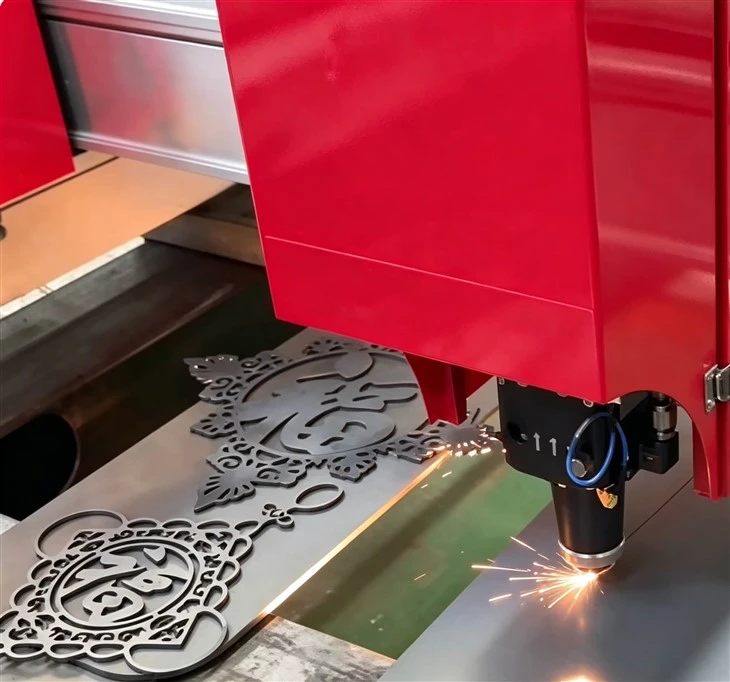
Hebei Juliang Technology Co., Ltd. is one of the leading manufacturers and suppliers of high precision light duty fiber laser cutter in China. Please feel free to buy CE approved machinery made in China here from our factory. All customized machines are with high quality and competitive price.
Let's be honest – most laser cutters are built for heavy plate, not fine work. They're powerful, but precision isn't their priority. If you're cutting 20mm steel, that's fine. But if you're cutting components for medical devices, electronics, or anything where tolerances matter, you quickly realize that brute force isn't what you need. This high precision light duty fiber laser cutter is built differently. It's engineered for accuracy first – for the jobs where being off by 0.02mm means scrapping a part instead of shipping it. And it does that without the massive size and cost of industrial heavyweights.

How Do You Actually Build a Machine for Precision?
I want to walk you through what makes a precision machine different from a general-purpose one. Because it's not just marketing – there are real engineering differences.
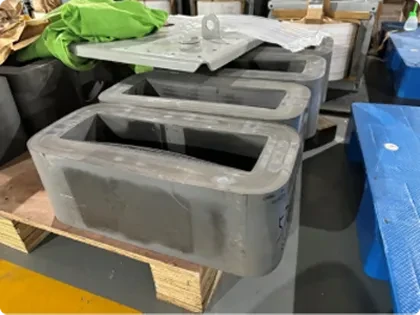
The frame and how it's made – Precision starts with stability. The welded steel frame goes through a controlled stress-relief process after welding. Why does that matter? Welding introduces internal stresses into the metal as it cools. If you don't relieve those stresses, the frame slowly warps over time – sometimes as quickly as a year. On a heavy-duty machine, a few tenths of a millimeter of warp doesn't matter. On a precision machine, it's catastrophic. We put every frame through the same high-temperature treatment to make sure it stays flat for decades.
The gantry – why lightweight matters for accuracy – Here's something counterintuitive: a lighter gantry actually gives you better accuracy on intricate work. The aerospace aluminum gantry has a better stiffness-to-weight ratio than cast iron. It's rigid enough to hold position under load, but it's light enough to start, stop, and change direction without overshooting. When you're cutting a small part with lots of sharp corners, the cutting head is constantly accelerating and decelerating. A heavy gantry overshoots and needs time to settle. A light gantry stops exactly where you want it, which means sharp internal corners and consistent geometry.
The drive system – The dual-drive rack-and-pinion setup keeps the cutting head square as it moves across the table. On single-drive systems, the gantry can skew slightly at speed, which gives you angled cuts – not noticeable on big parts, but a problem on small features. We've also fitted high-resolution encoders that give the control system real-time feedback on the head position. This closed-loop system means if there's any deviation, the machine corrects it instantly. You get the same accuracy on the thousandth part as on the first.
The optics – The cutting head uses a sealed optical path with a purge of clean air to prevent dust from settling on the lens. Even a microscopic speck on the lens scatters the beam and degrades edge quality. It's a small detail, but on precision work, small details are everything.
Where Does This Machine Actually Get Used?
I see this machine in places where accuracy isn't optional.
Medical device manufacturing – Surgical instruments, implants, and components for diagnostic equipment. The tolerances are tight and the standards are rigorous. Clean edges matter because anything with burrs or contamination is a liability.
Electronics and micro-engineering – PCB stencils, connector housings, enclosures for sensitive components. Small parts, tight fits, high production volumes. Consistency is everything.
Jewelry and custom metalwork – Intricate designs in precious metals. The narrow kerf and high precision allow detail that would be impossible with other methods.
Prototyping and R&D – Rapid iteration on designs that will eventually go into production. Accurate parts mean accurate testing, which means faster development cycles.
Watchmaking and precision instruments – Small components that look simple but require exceptionally tight tolerances and clean finishes.
Aerospace components – High-value small parts where failure isn't an option. The machine's consistency means reliable results across production runs.
Educational and research – Where students and researchers need to understand precision manufacturing.
Optical components – Parts that require clean, consistent cuts with minimal heat input.
Our Certificate


Customer Case – When 0.02mm Was the Difference Between Pass and Fail
I want to tell you about a customer in Mexico who manufactures components for medical diagnostic equipment. They were cutting small stainless steel parts – about the size of a coin, with some features that had to fit precisely into a larger assembly.
The real problem – They'd been using a standard fiber laser from another supplier. It worked, but not consistently. Some parts came out perfectly. Others were off by 0.02mm – just enough to fail inspection. The scrap rate was running about 12%, which was eating into their margins. And because they couldn't predict which parts would fail, they had to inspect everything twice.
They tried adjusting the parameters. They tried different material batches. Nothing gave them consistent results across a full production run. Their operators were spending more time measuring and sorting than actually cutting.
The decision – They came to us after seeing our machine at a trade show. We ran test cuts on their actual parts. The first batch measured within spec. The second batch measured within spec. The tenth batch measured within spec. The consistency was repeatable.
The outcome – They bought a 1000W precision model with a 600×600mm working area. The cut time per part was about the same as their previous machine, but the scrap rate dropped to under 1%. They eliminated the second inspection step because they trusted the output. Their production efficiency improved by roughly 25% – not because the machine was faster, but because they weren't wasting time on rework and inspection.
They've now been running the machine for 18 months and the calibration hasn't drifted. That's what consistent precision looks like in practice.
Everything You Need to Know
'lt is awesome to work with Creative. amazingy organized,easy to communicate with. responsive with next iterations,and beautiful work.
What's the actual difference between a precision machine and a standard machine?
The combination of high-resolution encoders, stress-relieved frame, lightweight gantry, and sealed optics. A standard machine might have similar laser power, but the precision model holds tighter tolerances and maintains them across production runs. It's the difference between parts that fit and parts that might need adjustment.
Can I cut 1mm stainless steel on this machine?
Yes – that's a primary application. 0.5mm to 3mm stainless cuts cleanly with nitrogen assist. The heat-affected zone is narrow enough that the material stays flat and the edges are ready for assembly without grinding.
How often does the machine need calibration?
We recommend checking calibration quarterly. In practice, most customers find the machine holds its accuracy much longer because the frame is stress-relieved and the encoders are sealed. If you're not moving the machine, you might only need calibration once or twice a year.
Can I cut aluminum and copper safely?
Yes, but you need anti-back-reflection protection. Our machines include this as standard. Never cut reflective materials on a machine that doesn't explicitly confirm this feature – it's not worth the risk of damaging the laser source.


Hot Tags: high precision light duty fiber laser cutter, China high precision light duty fiber laser cutter manufacturers, factory, Automatic Small Laser Cutting Machine, cnc fiber laser cutting machine 3 kw, cnc fiber laser cutting machine 6kw, light duty laser cutting machine, mini fiber laser cutter, small cnc fiber laser


