


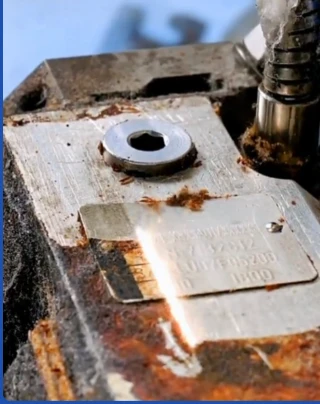
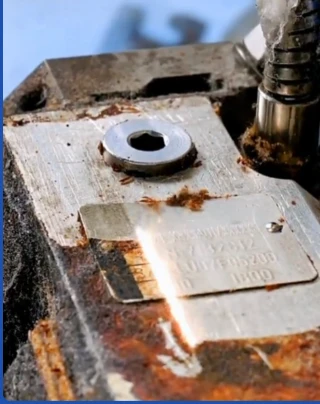
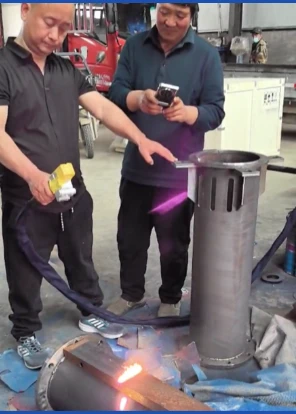
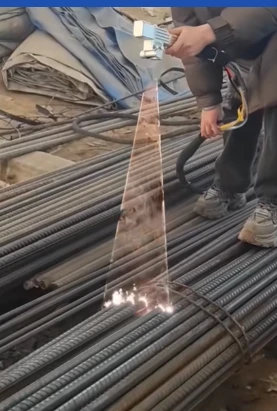
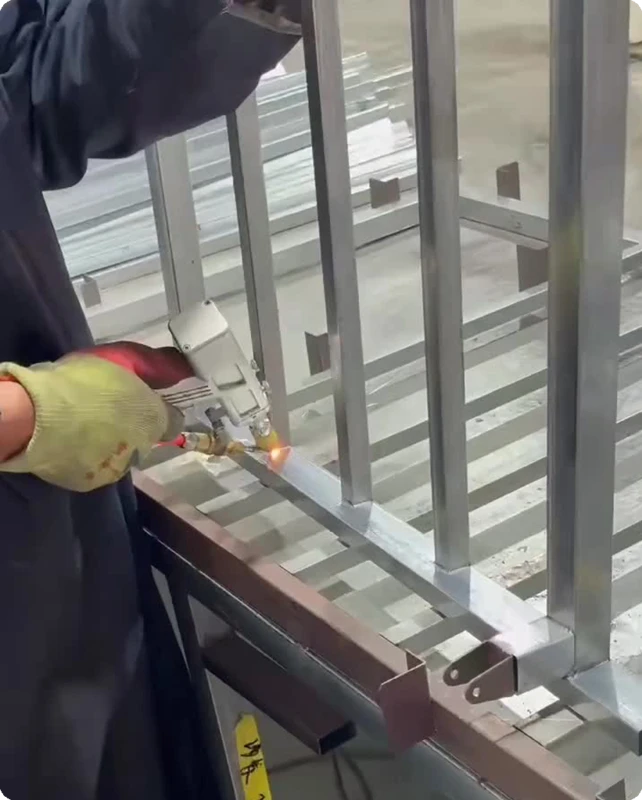
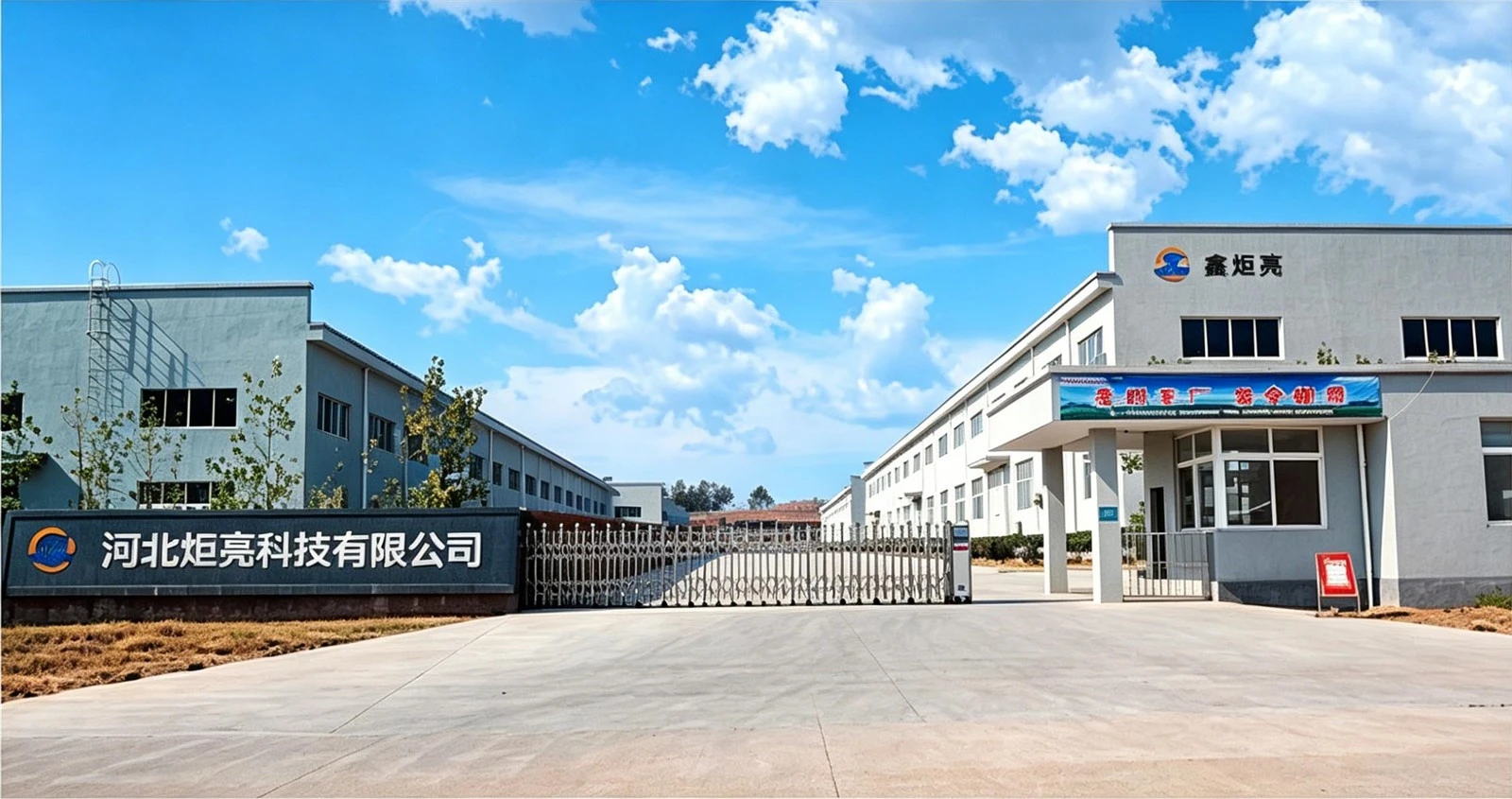
Hebei Juliang Technology Co., Ltd. is one of the leading manufacturers and suppliers of handheld laser cleaner for rust & paint removal in China. Please feel free to buy CE approved machinery made in China here from our factory. All customized machines are with high quality and competitive price.

What exactly is this handheld laser cleaner, and why should you care?
Think of it like a precise laser beam that carefully removes rust and coatings without damaging the underlying metal. The laser pulse heats up and instantly vaporizes the surface layer, while the metal beneath reflects most of the beam, staying perfectly fine.
This is where it really shines. Unlike grinding, which takes away good metal with the rust, or chemical treatments that create hazardous waste, this method leaves the base material untouched. You end up with a clean surface ready for welding, painting, or whatever you need, with very little prep and almost no waste to manage.

he machine itself is built around a fiber laser source-Raycus or Max options are available depending on your power needs, ranging from 1500W to 3000W . The 1064nm wavelength is specifically chosen because it's absorbed well by oxides and organic coatings but poorly by bare steel and aluminum . That's not marketing hype; it's basic physics, and it's the reason you can clean a painted panel without leaving a ripple on the metal underneath.

The cleaning head weighs about 1.5kg and is balanced for handheld use . The fiber cable gives you 10 meters of reach, so you're not dragging the main unit around a ship deck or through a warehouse. The control interface is touchscreen-based with preset parameters-new operators typically get usable results within a couple of hours of practice.
Does it actually work on everything? Let's talk real-world experience
The shipyard application. A yard was spending two days per section on chemical stripping and mechanical grinding for hull plate prep. With the handheld laser, they cut prep time to under four hours. The surface profile after cleaning was consistent enough that weld porosity issues dropped noticeably-fewer reworks, fewer consumables, less downtime.
The restoration job. An architectural metalwork shop had ornate steel gates with layers of old paint and spot rust in tight corners. Sandblasting would have eroded the decorative details. The handheld laser reached into the crevices, stripped the paint without dulling the edges, and left the gate ready for powder coating. The client was happy. The shop didn't have to re-fabricate damaged sections
The mold cleaning job. Rubber and plastic molds accumulate baked-on residue that's a nightmare to remove chemically. One tire mold that used to spend eight hours soaking in solvent now takes 45 minutes with the laser, and the mold surfaces don't lose their dimensional accuracy from repeated chemical exposur
Installation and tuning-what to expect
Unpack the unit, connect power and water lines (chiller is built-in), and you're about two hours from first fire-up. The laser source comes factory-calibrated, but you'll need to set initial parameters for your material type and contamination layer. The control panel has a red dot pointer for focus alignment-use it.
Most operators start with recommended settings for rust removal on mild steel: moderate power, medium pulse frequency, and a scanning speed that balances cleaning depth with surface finish. You'll dial this in based on your specific material and rust thickness. It takes a few test passes, but once locked in, you can save the settings for repeated use.
Common setup mistakes:
Moving the head too slowly-this creates localized heating that can discolor the metal
Moving too fast-leaves a pattern of un-cleaned spots
Forgetting to set focus distance after changing scanning width
What's the difference between this handheld laser cleaner and a sandblaster?
Sandblasters use abrasive media to physically erode the contamination layer. That also removes some base metal, changes surface profile, and creates mountains of waste media. The laser targets only the contamination layer-no media waste, no base metal loss, and you're not buying bags of grit every week.
How long does it take to clean a square meter of rusted steel plate?
At 1500W with moderate rust, you're looking at roughly 4-6 minutes per square meter at 2-3mm cleaning depth. Heavier rust needs slower passes or multiple passes. The actual time depends on rust thickness and the surface profile. Expect about 15-20 m² per hour under good conditions for light-to-moderate rust .
Can this remove paint from aluminum without damaging it?
Yes, with the right parameter adjustment. Aluminum reflects the 1064nm wavelength well, so the pulse energy is absorbed primarily by the paint layer. You do need to reduce power and increase scanning speed compared to steel-otherwise you can get surface discoloration from mild heating. We recommend testing on a scrap piece first.
Is the laser safe for operators?
The unit is Class 4 laser, which means direct beam exposure is hazardous. The cleaning head has safety interlocks and a shielded housing. Operators need the protective eyewear that comes with the unit. The vaporized material also requires local exhaust or a fume extractor-this is a practical safety requirement, not optional.
Do you offer customization or robotic integration?
Yes. We can adjust fiber cable length up to 15m, and the control system has an I/O interface for connecting to robotic arms or automated handling systems. We've supplied units for integration into automated cleaning lines. Lead time on customized configurations is typically 3-4 weeks.


Hot Tags: handheld laser cleaner for rust & paint removal, China handheld laser cleaner for rust & paint removal manufacturers, factory, 2000 watt handheld cleaning laser, 2000w laser cleaner, handheld laser cleaning and rust removal machine, High Power Handheld Laser Rust Cleaner, Portable Handheld Laser Rust Cleaner, Precision Handheld Laser Rust Cleaner


