


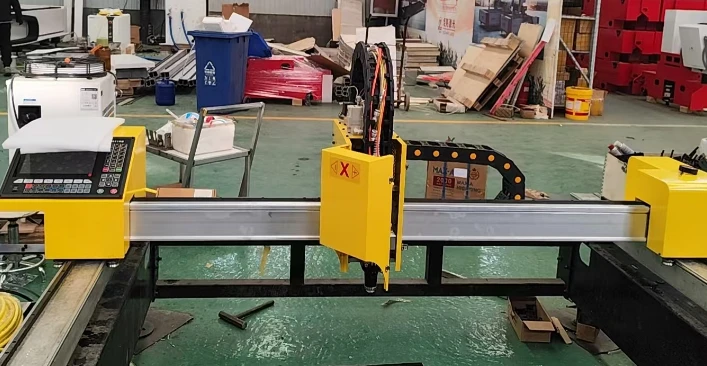
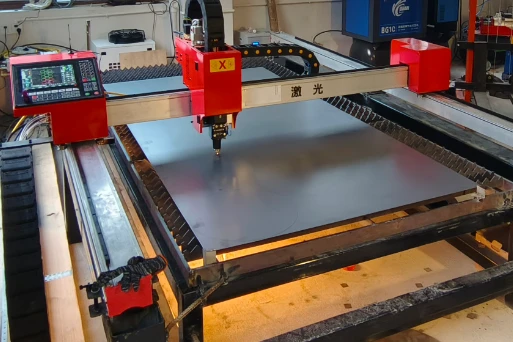
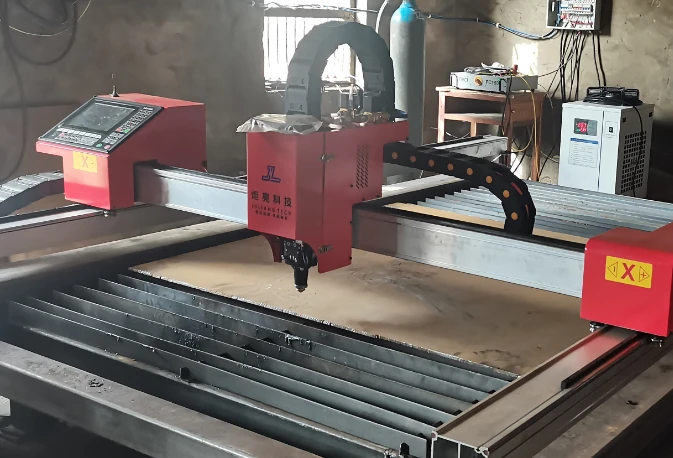
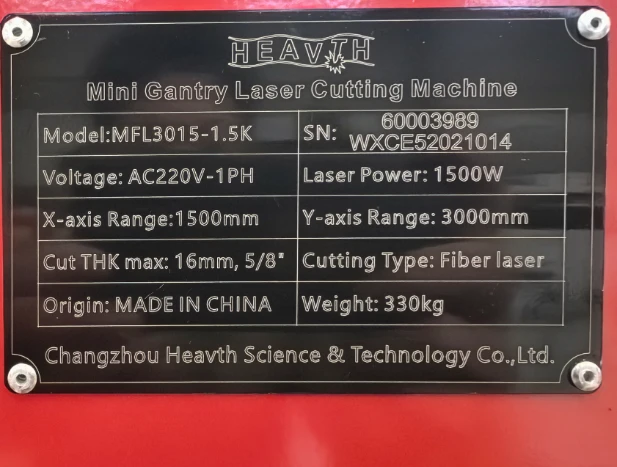
Hebei Juliang Technology Co., Ltd. is one of the leading manufacturers and suppliers of light gantry cnc plasma cutter industrial metal cutting machine in China. Please feel free to buy CE approved machinery made in China here from our factory. All customized machines are with high quality and competitive price.
So what is this machine, and why would you need one?
A light gantry CNC plasma cutter is essentially a computer-controlled cutting system where a plasma torch moves along a beam suspended over a steel plate, slicing through metal based on a digital design. The basic idea isn't complicated-you feed in a drawing, the machine follows the path, and plasma does the cutting. But what makes this particular machine different from the massive industrial units is the combination of a lighter frame with genuine CNC accuracy, which opens up possibilities for shops that don't have the floor space or budget for a full-scale industrial system.
The machine handles the full range of conductive materials-mild steel, stainless steel, aluminum, copper, and brass-using plasma for thicknesses up to about 35mm and oxy-fuel for thicker plate up to 200mm. For most fabrication shops doing structural steel, maintenance work, or custom metal projects, this covers the majority of day-to-day cutting needs.
Material selection logic: why the frame is built the way it is
The gantry beam is fabricated from heavy-gauge structural steel, stress-relieved after welding. That stress relief step is often overlooked by cheaper manufacturers-it's not visible on the outside, but it directly affects long-term accuracy. Without it, residual stresses from welding gradually pull the beam out of alignment as the machine cycles through temperature changes during daily use. On this machine, the beam stays straight over time, which means your cuts stay accurate.
The rails use precision rack-and-pinion gearing, and the longitudinal tracks are mounted on a welded base structure. For a lighter gantry machine, the choice of rack material and heat treatment matters-softer racks wear unevenly, leading to positioning errors that show up as inconsistent cut quality. We use hardened rack sections with proper surface treatment, the same specification found on heavier industrial machines.
The drive system uses motors on both sides of the gantry-bilateral drive. This isn't just marketing; it physically prevents the beam from skewing during acceleration, especially on longer cuts where the beam needs to maintain squareness to the rails. Without bilateral drive, you'd see a slight taper on long parts, which adds up to fit-up problems in structural work.
Bilateral drive for consistent accuracy. Motors on both sides of the gantry work together, so the beam doesn't twist during acceleration or deceleration. On a cut across the full table width, this difference is visible-parts come out square consistently, even on long traverses.
Automatic torch height control with collision protection. The system monitors arc voltage and adjusts torch height on the fly to compensate for plate surface variations. The collision sensor stops motion if the torch contacts the plate, preventing damage to the torch and height mechanism. This saves money in a production environment where a crash can cost a shift.
Dual plasma and flame cutting capability. One machine does both. Plasma handles fast cutting up to 35mm; flame cuts thicker material up to 200mm, though slower. The switch takes minutes, and having both options means one machine covers a broader range of jobs.
Built-in shape library for quick work. The control system stores common shapes-squares, circles, slots, flanges, and gussets. For routine cutting, you just enter dimensions and go. No CAD file needed for simple parts.
Nesting software included. The software takes your CAD or DXF drawings and arranges parts on the sheet to minimise scrap. It's straightforward to use and handles typical fabrication requirements without a steep learning curve.
A real-world example: how one shop reduced waste
A structural steel shop had been cutting gusset plates with a portable magnetic drill and an oxy-fuel hand torch. The process was slow-layout took time, cuts were inconsistent, and fitting rework was routine. They moved to the light gantry plasma cutter. Cutting time dropped from 45 minutes per bundle to 12 minutes. The nesting software improved material utilisation by about 8%-not dramatic, but noticeable over a month. The bigger saving came from consistent fit-up: parts went together with less grinding, and rework dropped by about 60%.
How to choose the right configuration
Cutting width is the first decision: 1500mm, 2000mm, or 2500mm. Choose the size that accommodates your standard sheet-if you mostly cut 1.5-metre plates, the 1500mm width works; if you occasionally handle wider stock, go up a size.
Plasma power rating determines cutting thickness. A 100A system cuts up to about 12mm cleanly; 200A handles up to about 25mm; 300A and above pushes toward 35mm. Choose based on your typical material thickness, not the occasional outlier-you can make multiple passes for thicker jobs.
The control system is typically the Fangling F2100 series, which is well-established in this class. The flame cutting option adds the ability to cut thicker plate than plasma can handle.
What kind of power supply does this machine need to operate?
The control system runs on single-phase 220V, but the plasma power source requires 380V three-phase with sufficient amperage for the rated output. Most industrial workshops have this available. If your shop only has single-phase, you'll need a phase converter or consider a smaller plasma source.
How do you get cutting files from a computer to the machine?
The control system accepts standard DXF files via USB flash drive. You create your cutting paths on the included nesting software on your office PC, save to a USB, and load it directly into the machine console. No network or internet connection is required for file transfer.
Can this machine cut multiple parts from one sheet automatically?
Yes. The nesting software arranges parts on the plate to minimise scrap, and the machine cuts them in sequence without operator intervention. The torch automatically raises and moves to the next cut start position. The shape library allows quick jobs without creating new CAD files.
Do you provide installation training for overseas buyers?
We provide remote video training covering setup, operation, and basic maintenance. On-site commissioning is available for larger orders. The documentation includes detailed step-by-step instructions, and our support engineers are available via video call to walk through the initial setup if needed.
How is the machine packed for international shipping?
The machine is shipped in wooden crates designed for sea freight, with the rail sections, gantry beam, and control console separately secured. Each crate is clearly labelled with contents. The packing is suitable for export, and we provide an inventory checklist to verify contents on arrival.


Hot Tags: light gantry cnc plasma cutter industrial metal cutting machine, China light gantry cnc plasma cutter industrial metal cutting machine manufacturers, factory


