


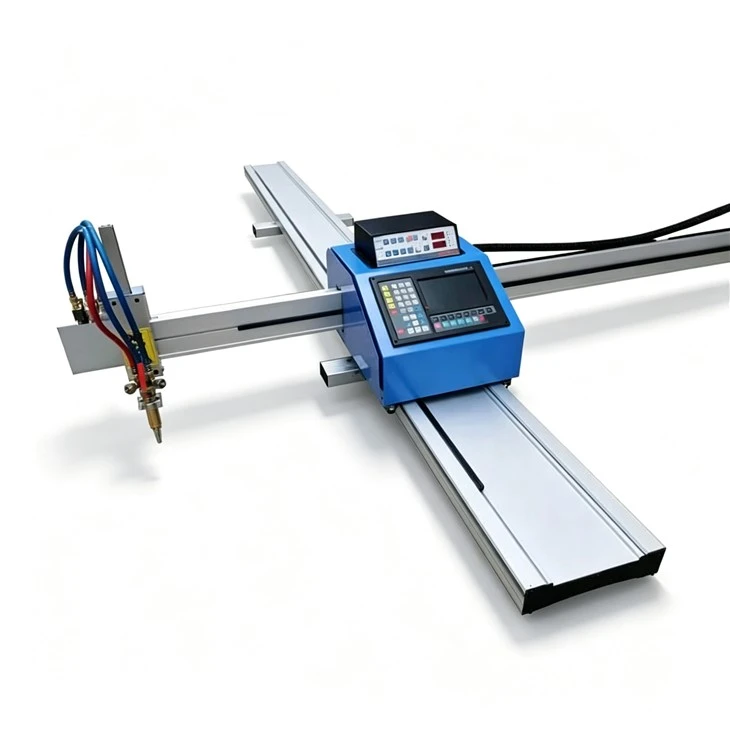
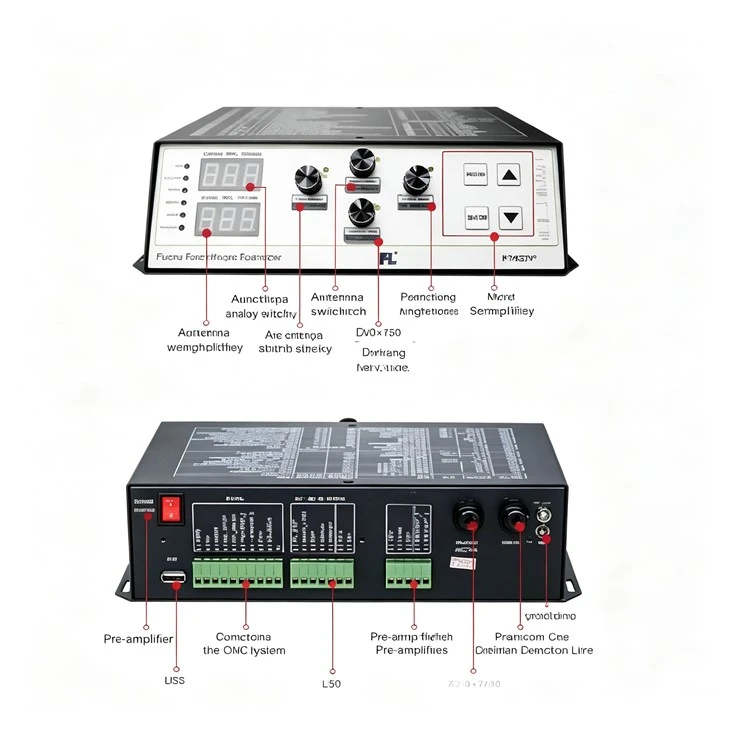
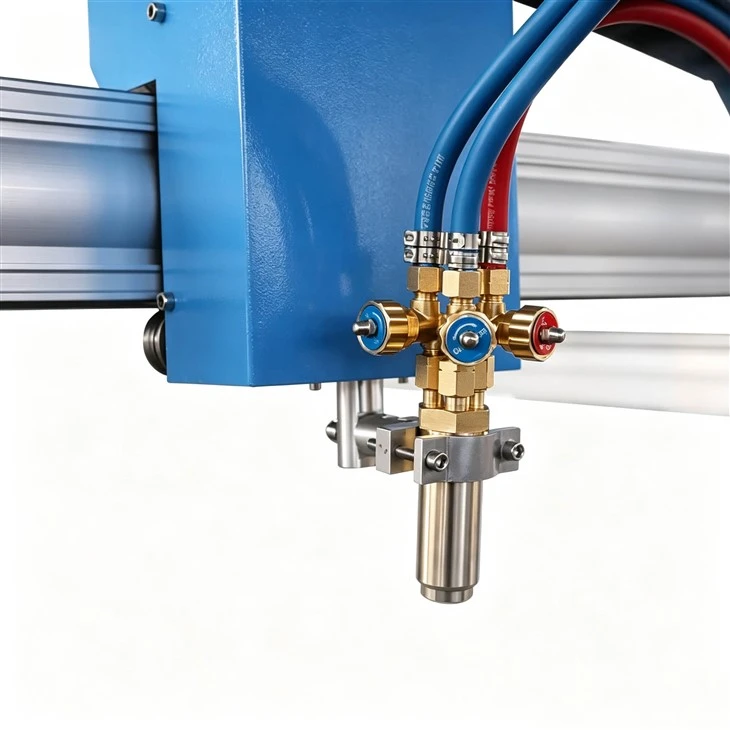
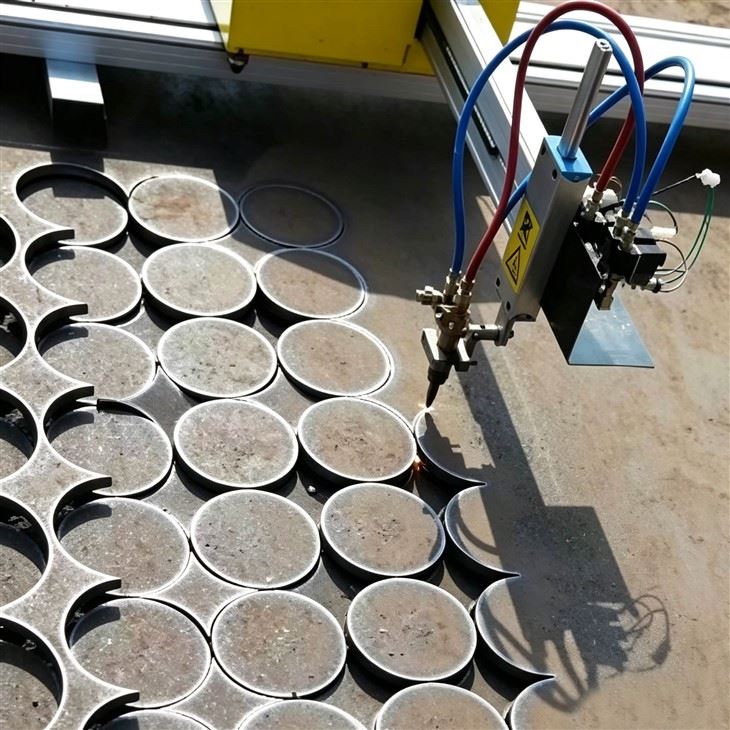
Hebei Juliang Technology Co., Ltd. is one of the leading manufacturers and suppliers of portable cnc metal cutter in China. Please feel free to buy CE approved machinery made in China here from our factory. All customized machines are with high quality and competitive price.
What This Machine Actually Is
Think of a Portable CNC Metal Cutter as a super handy, computer-guided cutting tool you can easily bring to your steel project. No more hauling heavy metal to a stationary machine! It plugs into regular 220V home outlets, weighs around 100kg in total, and splits into parts that two people can manage.
This versatile machine offers both plasma and oxy-fuel (flame) cutting. Plasma is great for quickly cutting carbon steel, stainless steel, and aluminum up to about 20mm thick. For really thick carbon steel, up to 150mm or even more, you'd use the flame setting. So, you get two cutting methods in one device, letting you choose based on what you're working on.
Its design is smart and streamlined, meaning it's small, light, and easy to move around. It doesn't need a dedicated spot. This is the modern upgrade over old-school handheld flame cutters, profile cutting machines, and those rolling cutting carts.

Most product pages tell you what a machine can cut. Let's talk about what happens when you cut the wrong material with the wrong settings.
We've seen shops try to push thin-gauge stainless at the same parameters they use for mild steel. The result? Dross on the bottom edge, warped sheets, and a lot of wasted material. Our experience with this portable CNC cutter has taught us a few things worth passing on.
Mild steel is forgiving. Up to 10mm thickness, this machine handles it cleanly with standard parameters. The key is maintaining consistent travel speed-too slow and you get excessive slag; too fast and the cut doesn't penetrate. We recommend starting with 80% power for 6mm and adjusting from there.
Stainless steel demands more attention. It retains heat differently, so you need to manage your feed rate more carefully. The upside? Cut edges on stainless come out cleaner than on mild steel, often requiring little to no post-processing.
Aluminum is the tricky one. Reflective and thermally conductive, it'll punish inconsistent technique. We've found that using higher frequency settings and slightly faster traverse speeds produces better results. Keep your focal point accurate-this matters more with aluminum than with steel.
Galvanized sheet is the one material we tell customers to approach with caution. The zinc coating creates fumes, and it also affects cut quality. If you're cutting galvanized regularly, invest in good extraction and accept that you'll be changing nozzles more frequently.
The Engineering Behind the Frame
One of the most overlooked aspects of portable cutters is what happens to the frame after you've moved it a hundred times. We weld our frames with stress-relief treatment, then machine the rail mounting surfaces post-treatment. It sounds like manufacturing overkill, but here's the real-world impact: the machine holds its calibration longer. A competitor's unit that skips this step might start drifting after six months of job-site use. Ours stays true for years.
Client Case Study: The 24-Hour Bridge Repair
A structural steel contractor called us last year. They'd won an emergency bridge repair contract-the kind where the customer says "get it done or we're in breach." Their fixed cutting table was 40 miles from the site, and the replacement sections needed field modifications based on actual measurements taken at the bridge.
They brought our portable cutter to the site on a Tuesday afternoon. By Wednesday morning, they'd cut and fitted every replacement plate. Their project manager told us the machine paid for itself on that single job. That's what portability actually means-not just "you can move it," but "you can get the job done when it matters."
Mount the rail system – This is the critical step. Rail alignment determines cut accuracy. Our field engineers recommend using a dial indicator to verify parallelism within 0.05mm per meter.
Maintenance & Consumable Management
Here's what wears out and what doesn't.
| Component | Expected Life | Notes |
|---|---|---|
| Laser source | 20,000+ hours | The air-cooled design eliminates cooling system corrosion risks |
| Cutting nozzle | 300–500 hours | Replace when you see inconsistent beam pattern; cheap enough to keep spares |
| Ceramic ring | Until you crash it | The collision sensor saves this 90% of the time. Replace immediately after a hard crash |
| Protective window | 500–1,000 hours | Soot buildup degrades power; clean weekly with lens tissue |
| X/Y drive belts | 5,000+ hours | Check tension monthly; under-tensioned belts produce oval holes |
Frequently Asked Questions
What is a portable CNC metal cutter, and how does it work?
This machine combines computer-controlled motion with a laser cutting head in a compact, movable frame. Unlike stationary systems, it can be transported to job sites or moved within a workshop. The CNC controller interprets design files and guides the cutting head along programmed paths, while the air-cooled laser source generates the cutting beam. You simply import your design, set material parameters, and the machine executes the cut.
How do I choose between air-cooled and water-cooled laser systems?
Air-cooled systems are lighter, more portable, and lower maintenance-no coolant changes, no pump failures, no freeze risk. However, they're limited to about 1200W output. Water-cooled units handle higher power but weigh significantly more and require regular maintenance. If you need to move your cutter regularly or primarily work with materials up to 10mm thick, air-cooled is the practical choice.
What industries are using this type of cutter most?
We see the highest adoption in structural steel fabrication, bridge repair and maintenance, mining equipment maintenance, small fabrication shops with limited floor space, and off-road/racing fabrication. These users share common needs: mobility, quick setup, and the ability to cut a variety of metals without owning a full industrial cutting department.
Does Juliang provide technical support for installation and training?
Yes. We have field engineers available for remote video support. Our experience shows that most installations go smoothly with our written guidance and one video call. For customers who prefer on-site support, we can arrange a service visit. Our philosophy is that service support starts at the moment of purchase, not at the moment of failure.
What's the standard warranty and what does it cover?
The complete machine carries a 1-year warranty, with the laser source covered for 2 years . This covers manufacturing defects and premature component failure. Consumables-nozzles, protective windows, and ceramic rings-are not covered beyond the initial supply. We maintain spare parts inventory and can ship replacement components quickly to minimize downtime.


Hot Tags: portable cnc metal cutter, China portable cnc metal cutter manufacturers, factory, Portable CNC Dual Plasma Flame Cutting Machine, portable cnc flame and plasma cutting machine, portable cnc laser cutting machine, portable cnc plasma cutting machine, portable laser cutting machine for metal, small portable plasma cutter


