

Hey there! As a supplier of light gantry CNC cutting machines, I've seen firsthand how optimizing the cutting path can make a huge difference in your work. In this blog, I'm gonna share some tips and tricks on how to get the most out of your machine by optimizing the cutting path.
Understanding the Basics of Cutting Path Optimization
Before we dive into the specific techniques, let's first understand why optimizing the cutting path is so important. A well - optimized cutting path can save you time, reduce material waste, and improve the overall quality of your cuts. When the cutting path is efficient, the machine spends less time moving around, which means more cuts can be made in a shorter period.
One of the key factors in cutting path optimization is minimizing the non - cutting travel distance. Non - cutting travel is the time when the cutting tool is moving from one position to another without actually cutting the material. The longer this non - cutting travel, the more time is wasted.
Analyzing the Part Design
The first step in optimizing the cutting path is to analyze the part design. Look at the shape and size of the parts you need to cut. If you have multiple parts to cut from a single sheet of material, try to arrange them in a way that minimizes the distance between the cutting starts and stops.
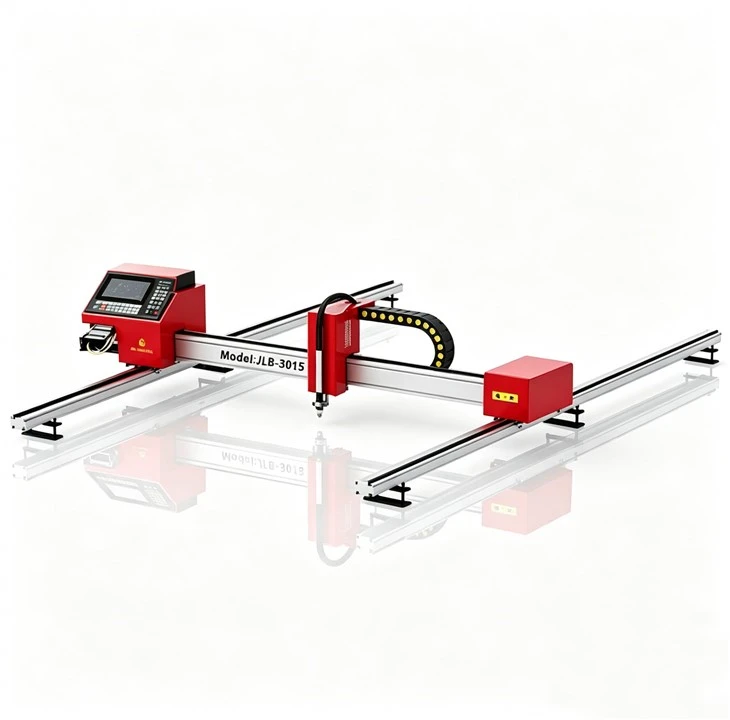
For example, if you have a bunch of small circular parts, you can group them together in a grid pattern. This way, the cutting head can move from one circle to the next with minimal travel. Software tools can be really helpful here. Many modern light gantry CNC cutting machines come with software that can automatically arrange parts on the material sheet to optimize the cutting path. You can check out our Portable CNC Plasma Cutter Machine which is equipped with such advanced software.
Choosing the Right Cutting Sequence
The cutting sequence also plays a crucial role in path optimization. You want to start with the cuts that are closer to the edges of the material and work your way inwards. This helps in preventing the material from shifting during the cutting process.
For instance, if you have a complex part with multiple internal cuts, start with the outer perimeter and then move on to the internal cuts. Another important aspect is to avoid making cuts that cross over each other. Crossing cuts can cause the material to vibrate, which may lead to inaccurate cuts and damage to the cutting tool.
Utilizing Nesting Software
Nesting software is a game - changer when it comes to optimizing the cutting path. This software can take multiple part designs and arrange them on the material sheet in the most efficient way possible. It takes into account factors such as the shape of the parts, the size of the material sheet, and the cutting tool requirements.
With nesting software, you can significantly reduce material waste. It can place parts closer together, leaving less space between them. This not only saves material but also reduces the non - cutting travel distance. Our Portable CNC Plasma Cutting Machine for Metalworking is compatible with some of the best nesting software in the market, which can help you achieve maximum efficiency.
Adjusting Cutting Parameters
Cutting parameters such as cutting speed, feed rate, and plasma power also affect the cutting path optimization. If the cutting speed is too high, the machine may not be able to make accurate cuts, and the cutting tool may wear out quickly. On the other hand, if the cutting speed is too low, it will take longer to complete the cuts.
The feed rate determines how fast the cutting head moves along the cutting path. You need to find the right balance between the cutting speed and the feed rate to ensure smooth and accurate cuts. Plasma power is also important, especially for plasma cutting machines. The right plasma power will ensure that the material is cut cleanly without excessive heat or damage.
Reducing Corners and Sharp Turns
Corners and sharp turns in the cutting path can slow down the machine and cause wear on the cutting tool. Try to design parts with rounded corners whenever possible. Rounded corners allow the cutting head to move more smoothly, reducing the non - cutting time at the corners.
If you can't avoid sharp turns, make sure to adjust the cutting speed and feed rate at these points. Slowing down the machine slightly at sharp turns can help in making more accurate cuts and prevent the cutting tool from breaking.
Continuous Path Cutting
Continuous path cutting is a technique where the cutting head moves along a single, continuous path without stopping. This can significantly reduce the non - cutting travel time. For example, if you have a series of connected cuts, you can program the machine to make these cuts in one continuous motion.
This technique is especially useful for parts with complex shapes. By using continuous path cutting, you can make the cutting process more efficient and improve the overall quality of the cuts.
Monitoring and Fine - Tuning
Once you've optimized the cutting path, it's important to monitor the cutting process. Check the quality of the cuts regularly and look for any signs of inefficiency. If you notice that the cuts are not as accurate as they should be, or if the machine is taking longer than expected, you may need to fine - tune the cutting path.
You can also keep track of the material waste and the time taken for each cut. This data can help you identify areas for improvement and make further optimizations.
Conclusion
Optimizing the cutting path of a light gantry CNC cutting machine is not a one - time task. It requires a combination of careful part design, the right software, and proper adjustment of cutting parameters. By following the tips and techniques I've shared in this blog, you can significantly improve the efficiency of your cutting process, save time and money, and produce high - quality cuts.
If you're interested in learning more about our light gantry CNC cutting machines or want to discuss how to optimize the cutting path for your specific needs, don't hesitate to reach out. We're here to help you get the most out of your CNC cutting experience.
References
- "CNC Machining Handbook" by John Doe
- "Optimization Techniques for CNC Cutting" by Jane Smith
- Manufacturer's Manuals for Light Gantry CNC Cutting Machines