

Bed Frame
The bed frame is the foundation of the machine. It provides a stable and rigid platform for all other components. It is usually made of high-strength steel or cast iron to withstand vibration and cutting forces. A well-designed bed frame reduces vibration and helps maintain cutting accuracy.
Linear Guides and Ball Screws
Linear guides and ball screws are part of the motion control system. Linear guides provide smooth, precise linear movement for the cutting head. Ball screws convert rotary motion into linear motion for accurate positioning. Together, they move the cutting head along the X, Y, and Z axes with high precision.
Cutting Head
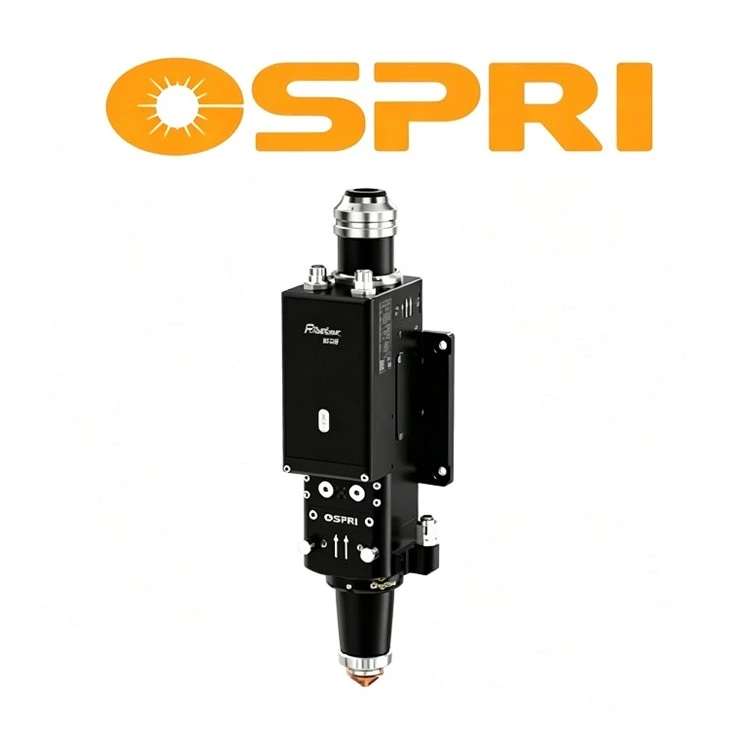
The cutting head delivers the laser beam to the workpiece. It typically includes a focusing lens, a nozzle, and a tracking system. The focusing lens concentrates the beam onto the material. The nozzle directs assist gas (such as oxygen or nitrogen) to the cutting area to remove molten material and improve cut quality. The tracking system maintains a constant distance between the cutting head and the workpiece.
Laser Source
The laser source generates the high-powered beam used for cutting. Common types include fiber lasers, CO₂ lasers, and solid-state lasers. Fiber lasers are widely used in modern machines due to their high efficiency, low maintenance, and good cutting performance. They produce a high-intensity beam suitable for cutting various materials.
Control System
The control system manages the machine's functions. It includes a CNC (Computer Numerical Control) system that reads the cutting program and sends commands to the motion system. The control system also monitors performance and can adjust laser power, cutting speed, and other parameters in real time to maintain cut quality and productivity.
Chiller
The chiller cools the laser source and other critical components. Laser sources generate significant heat during operation. The chiller circulates coolant (water or glycol) through the laser source to remove heat and maintain a stable operating temperature. A reliable chiller helps ensure long-term performance and reliability.
Exhaust System
The exhaust system removes smoke, fumes, and dust generated during cutting. It typically consists of a hood, ductwork, and a fan. These components draw fumes away from the cutting area and filter them before release. A well-designed exhaust system provides a cleaner and safer working environment.

Our Laser Sheet Cutting Machines
Hebei Juliang Technology offers a range of laser sheet cutting machines, including:
6025 Single Platform Fiber Laser Cutter for Metal Sheet
Dual Motor Fiber Laser Cutting Machine
CNC Large Working Table Fiber Laser Cutter
Ultra Large Fiber Laser Cutting Machine
View Laser Sheet Cutting Machines →
FAQ
Q1: What are the main mechanical components of a laser sheet cutting machine?
A: Bed frame, linear guides and ball screws, cutting head, laser source, control system, chiller, and exhaust system.
Q2: Why is the bed frame important?
A: It provides stability and reduces vibration, which helps maintain cutting accuracy.
Q3: What is the function of the chiller?
A: The chiller cools the laser source and other components to prevent overheating and maintain stable operation.
Q4: What does the control system do?
A: It reads the cutting program, controls the motion system, and adjusts parameters in real time to maintain cut quality.
Q5: How does the exhaust system improve safety?
A: It removes smoke, fumes, and dust from the cutting area, creating a cleaner and safer working environment.
Conclusion
The mechanical structure of a laser sheet cutting machine is a coordinated system of components. The bed frame, motion system, cutting head, laser source, control system, chiller, and exhaust system all work together to ensure performance, precision, and efficiency. Understanding these components helps buyers and operators make informed decisions.
If you have questions about machine structure or want to discuss your requirements, please contact us.