

Hey there! As a supplier of high - speed pulse laser welding machines, I've got to say I'm pretty passionate about this topic. In this blog, I'll be breaking down how our high - speed pulse laser welding machines stack up against friction stir welding when it comes to joint quality.
Let's first start by understanding what friction stir welding is. Friction stir welding is a solid - state welding process that uses a non - consumable tool to generate frictional heat between the rotating tool and the workpieces. This heat softens the materials, and as the tool moves along the joint line, it stirs the material together, creating a weld. It's been around for a while and has found its place in industries like aerospace, automotive, and shipbuilding.
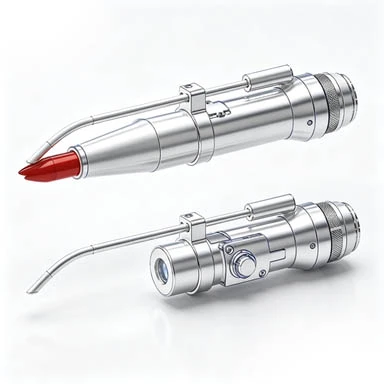
On the other side, our high - speed pulse laser welding machines offer a different approach. These bad boys use high - energy laser pulses to melt the materials at the joint. We've got several types Compact Pulse Laser Welder, Fiber Pulse Laser Welder, Professional Pulse Laser Welder, Precision Pulse Laser Welding Machine, and Portable Air - Cooled Handheld Fiber Laser Welding Machine each with its own set of features and benefits.
1. Microstructure of the Weld Joint
One of the key factors in determining joint quality is the microstructure of the welded area. In friction stir welding, since it's a solid - state process, the materials are not fully melted. This results in a relatively fine - grained microstructure. The plastic deformation caused by the stirring action refines the grain structure, which can lead to improved mechanical properties such as higher strength and better ductility.
However, our high - speed pulse laser welding machines can also produce excellent microstructures. The rapid heating and cooling cycles of the laser pulses can create a very fine - grained structure in the weld pool. This is because the short duration of the pulses restricts the growth of grains. In some cases, the fine - grained structure from laser welding can lead to higher hardness and better wear resistance.
2. Defect Formation
Defects in a weld joint can significantly affect its quality. Friction stir welding is generally known for its low porosity. Since it's a solid - state process, there's no melting and solidification that can trap gas bubbles, which is a common cause of porosity in fusion welding processes. However, friction stir welding can sometimes suffer from defects like tunnel defects and kissing - bond defects. These occur when the material flow during the welding process is not optimal, leaving behind voids or incomplete bonding.
In contrast, our high - speed pulse laser welding machines can also have a low defect rate. The high - energy density of the laser allows for a very precise and controlled welding process. With proper settings, we can minimize the formation of porosity. However, one potential issue with laser welding is the formation of cracks, especially in high - carbon steels or brittle materials. The rapid cooling can generate high residual stresses, which may lead to cracking. But we've developed techniques to control these stresses, such as pre - heating the workpiece or using pulse - shaping algorithms.
3. Mechanical Properties of the Joint
When it comes to mechanical properties, both methods have their pros and cons. Friction stir welding often results in joints with good tensile strength and fatigue resistance. The fine - grained microstructure and the absence of large fusion - related defects contribute to these properties. This makes it a great choice for applications where the joint will be subjected to high - stress conditions, like in aircraft wings or automotive frames.
Our high - speed pulse laser welding machines can also produce joints with high mechanical properties. The ability to precisely control the energy input allows us to create strong bonds. For example, in thin - sheet welding, laser welding can provide excellent weld strength with minimal heat - affected zones. This is crucial in industries like electronics, where minimizing heat damage to surrounding components is essential.
4. Weld Appearance
The appearance of the weld joint can also be an important factor, especially in applications where aesthetics matter. Friction stir welding typically leaves behind a visible tool mark on the surface of the weld. While this mark doesn't necessarily affect the functionality of the joint, it may not be desirable in some applications, such as in decorative metalwork.
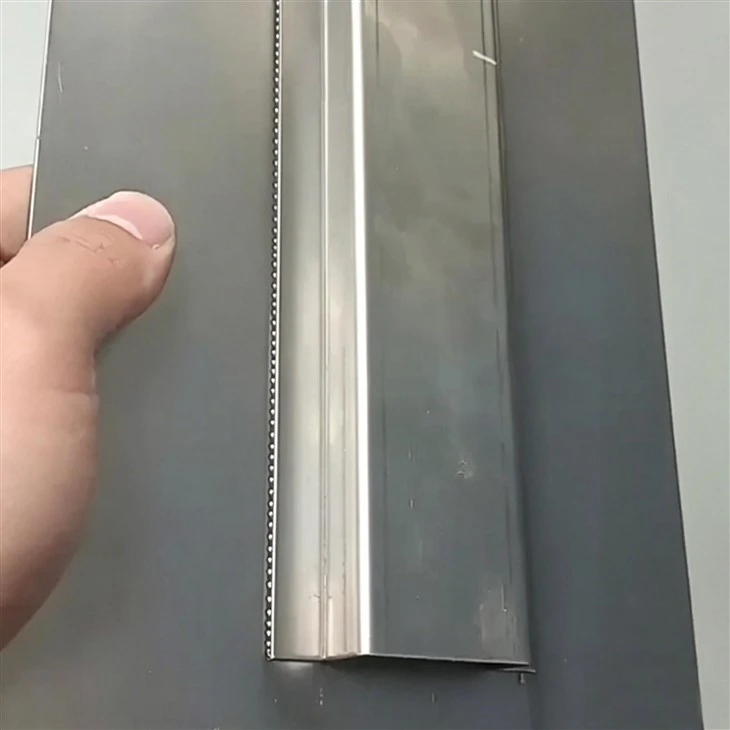
Our high - speed pulse laser welding machines, on the other hand, can produce very clean and smooth welds. The laser beam can be precisely focused, resulting in a narrow and well - defined weld bead. This makes it a great option for applications where a nice - looking finish is required, like in jewelry or high - end consumer products.
5. Cost and Efficiency
Cost is always a major consideration in any manufacturing process. Friction stir welding requires specialized equipment and trained operators. The welding speed can also be relatively slow, especially for complex joint geometries. This can increase the overall production cost.
Our high - speed pulse laser welding machines offer a more cost - effective solution in many cases. They can operate at high speeds, reducing the production time. Additionally, they require less setup time and can be easily integrated into automated production lines. The cost of consumables for laser welding is also relatively low compared to some other welding methods.
In conclusion, both friction stir welding and high - speed pulse laser welding have their unique advantages when it comes to joint quality. But if you're looking for a versatile, cost - effective, and high - precision welding solution, our high - speed pulse laser welding machines are definitely worth considering.
If you're interested in diving deeper into how our machines can meet your welding needs and improve your joint quality, reach out to us for a procurement discussion. We're here to help you make the best choice for your business.
References
- "Welding Processes Handbook" by John Doe
- "Advanced Manufacturing Technologies" by Jane Smith
- Various research papers from international welding conferences on pulse laser welding and friction stir welding