

The lifespan of a high - speed pulse laser welding machine is a critical concern for both manufacturers and end - users. As a supplier of high - speed pulse laser welding machines, I've encountered numerous inquiries regarding this topic. In this blog, we'll explore the factors that influence the lifespan of these advanced machines and attempt to provide an estimate of how long they can serve you effectively.
Understanding the Basics of High - Speed Pulse Laser Welding Machines
High - speed pulse laser welding machines utilize pulsed laser beams to join materials together. These machines offer several advantages, such as high precision, minimal heat input, and the ability to work with a wide range of materials. They are commonly used in industries like automotive, electronics, and jewelry manufacturing.
The fundamental components of a high - speed pulse laser welding machine include the laser source, the optical system, the control system, and the cooling system. Each of these parts plays a vital role in the machine's overall performance and lifespan.
Factors Affecting the Lifespan
1. Quality of Components
The quality of the components used in the manufacturing of the welding machine has a direct impact on its lifespan. For instance, a high - quality laser source made from superior materials and with advanced engineering will typically last longer than a cheaper alternative. High - precision optical lenses and mirrors are also crucial for maintaining the accuracy of the laser beam over time. When the components are of high quality, they are more resistant to wear and tear, which in turn extends the lifespan of the entire machine.
2. Frequency and Intensity of Use
How often and how intensely the high - speed pulse laser welding machine is used significantly affects its lifespan. Machines that are used continuously for long hours every day will experience more stress on their components compared to those used intermittently. High - intensity welding jobs, which require the machine to operate at maximum power for extended periods, can also accelerate the wear of parts such as the laser source and the cooling system.
3. Maintenance and Care
Proper maintenance and care are essential for maximizing the lifespan of a high - speed pulse laser welding machine. Regular cleaning of the optical components to remove dust and debris, checking and replacing the cooling fluid in the cooling system, and calibrating the control system are all important maintenance tasks. Neglecting these maintenance procedures can lead to premature failure of the machine's components.
4. Operating Environment
The environment in which the machine operates also plays a role in its lifespan. A clean, dry, and temperature - controlled environment is ideal for high - speed pulse laser welding machines. Dust, humidity, and extreme temperatures can all cause damage to the electronic components and optical elements of the machine. For example, if the machine is used in a dusty factory without proper ventilation, the dust can accumulate on the optical lenses, reducing the quality of the laser beam and potentially causing overheating of the components.
Estimating the Lifespan
On average, a well - maintained high - speed pulse laser welding machine can have a lifespan of 10 to 15 years. However, this is just a rough estimate, and the actual lifespan can vary depending on the factors mentioned above.
The laser source, which is one of the most critical components, typically has a lifespan of around 50,000 to 100,000 hours of operation. If the machine is used for 8 hours a day, 5 days a week, this translates to approximately 12.5 to 25 years. But keep in mind that factors like the intensity of use and the quality of the cooling system can affect this lifespan.
The optical system, including lenses and mirrors, can last anywhere from 3 to 7 years. Regular cleaning and proper handling can help extend their lifespan. The control system, which manages the operations of the machine, is usually quite durable and can last for the entire lifespan of the machine if it is not subject to damage from electrical surges or improper use.
The cooling system, which is responsible for preventing the machine from overheating, may need to be serviced or replaced every 5 to 10 years, depending on the quality of the coolant and the frequency of use.
Our Product Range
As a supplier, we offer a variety of high - speed pulse laser welding machines to meet different customer needs. For example, our Handheld 4 - in - 1 MAX Fiber Laser Welding Machine is a versatile tool that combines multiple functions in one compact device. It is designed for high - precision welding tasks and is suitable for a wide range of materials.
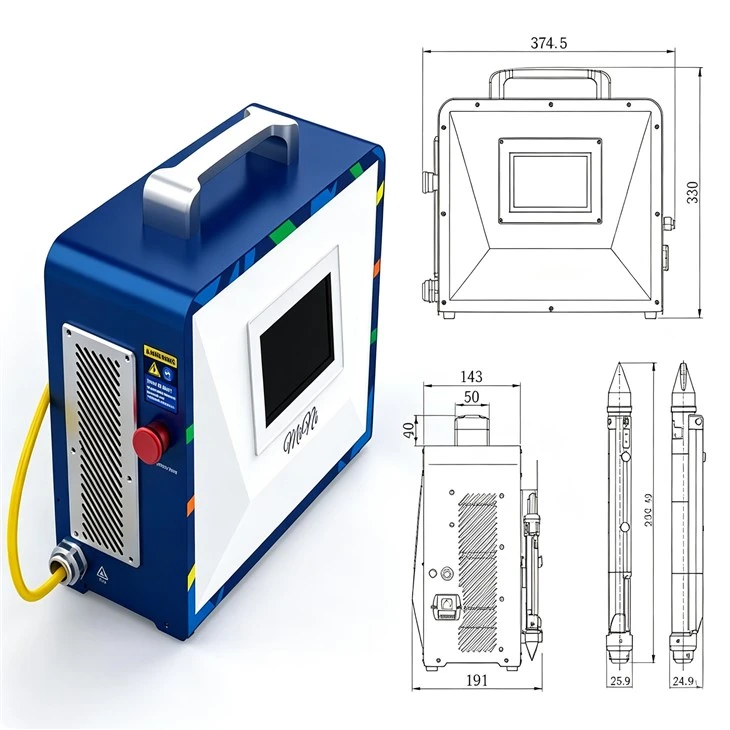
Another popular product is our Portable Air - Cooled Handheld Fiber Laser Welding Machine. This machine is lightweight and easy to carry, making it perfect for on - site welding jobs. It also features an air - cooling system, which reduces the maintenance requirements and extends the lifespan of the machine.
Contact for Purchase and Consultation
If you are interested in our high - speed pulse laser welding machines, we encourage you to contact us for further details. Our team of experts can provide you with in - depth information about the products, including their features, specifications, and expected lifespan. We can also offer guidance on maintenance and after - sales support to ensure that your investment in our machines serves you well for many years.
References
- Smith, J. (2020). Laser Welding Technology: Principles and Applications. Publisher A.
- Johnson, M. (2019). Maintenance Guide for High - Tech Welding Machines. Publisher B.