

As a supplier of high-speed pulse laser welding machines, I understand the critical role reliability plays in the performance and success of these advanced tools. High-speed pulse laser welding machines are widely used in various industries, including automotive, aerospace, electronics, and jewelry making, due to their precision, speed, and versatility. However, ensuring the reliability of these machines is a complex challenge that requires a comprehensive approach. In this blog post, I will share some key strategies and best practices to improve the reliability of high-speed pulse laser welding machines.
1. Quality Components and Design
The foundation of a reliable high-speed pulse laser welding machine lies in its components and design. Using high-quality components is essential to ensure the machine's long-term performance and durability. When selecting components, such as lasers, optical systems, and control units, it is crucial to choose products from reputable manufacturers with a proven track record of reliability.
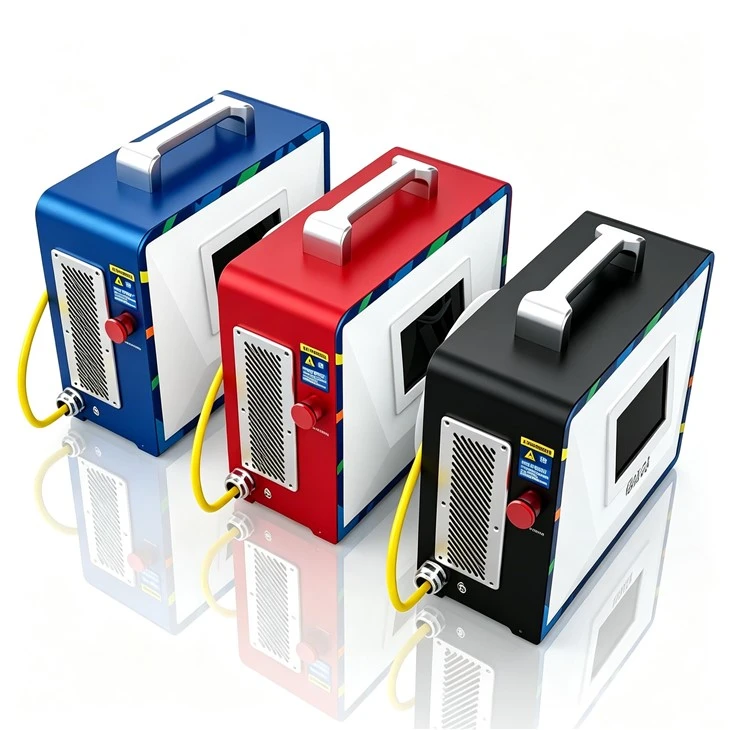
In addition to high-quality components, the design of the machine also plays a significant role in its reliability. A well-designed machine should have a robust structure that can withstand the rigors of continuous operation. The layout of the components should be optimized to minimize the risk of interference and ensure easy access for maintenance and repair. For example, our Portable Air-Cooled Handheld Fiber Laser Welding Machine is designed with a compact and ergonomic structure, making it easy to handle and operate in various environments.
2. Regular Maintenance and Calibration
Regular maintenance and calibration are essential to keep high-speed pulse laser welding machines in optimal condition. Maintenance tasks should include cleaning the optical components, checking the cooling system, and inspecting the electrical connections. By performing these tasks on a regular basis, you can prevent the buildup of dirt and debris, which can affect the performance of the machine.
Calibration is also crucial to ensure the accuracy and consistency of the welding process. Over time, the performance of the laser and other components may drift, leading to variations in the welding quality. By calibrating the machine regularly, you can adjust the parameters to ensure that the welding process meets the required specifications. Our Handheld 4-in-1 MAX Fiber Laser Welding Machine comes with a user-friendly calibration system that allows for easy and accurate adjustment of the welding parameters.
3. Operator Training and Skill Development
The reliability of a high-speed pulse laser welding machine also depends on the skills and knowledge of the operators. Proper training is essential to ensure that operators understand how to operate the machine safely and effectively. Training should cover topics such as machine operation, maintenance, and troubleshooting.
In addition to formal training, ongoing skill development is also important to keep operators up-to-date with the latest technologies and best practices. This can include attending industry conferences, workshops, and online courses. By investing in operator training and skill development, you can improve the reliability of the machine and reduce the risk of errors and downtime.
4. Environmental Considerations
The environment in which a high-speed pulse laser welding machine operates can also affect its reliability. Factors such as temperature, humidity, and dust can have a significant impact on the performance of the machine. Therefore, it is important to ensure that the machine is installed in a clean, dry, and well-ventilated environment.
In addition, the machine should be protected from vibrations and shocks, which can damage the components. If the machine is used in a noisy or high-traffic area, it may be necessary to install vibration isolation pads or other protective measures.
5. Monitoring and Diagnostic Systems
Implementing monitoring and diagnostic systems can help to detect potential problems before they cause significant downtime. These systems can monitor various parameters, such as laser power, temperature, and cooling water flow, and provide real-time feedback to the operator.
By analyzing the data collected by the monitoring system, you can identify trends and patterns that may indicate a potential problem. This allows you to take proactive measures to address the issue before it affects the performance of the machine. For example, if the monitoring system detects a decrease in laser power, you can schedule maintenance to clean or replace the optical components.
6. Spare Parts Management
Maintaining an adequate inventory of spare parts is essential to minimize downtime in the event of a component failure. By having the necessary spare parts on hand, you can quickly replace the faulty component and get the machine back up and running.
When managing spare parts, it is important to keep track of the inventory levels and reorder parts as needed. You should also establish a relationship with a reliable supplier who can provide high-quality spare parts in a timely manner.
7. Continuous Improvement
Finally, continuous improvement is essential to ensure the long-term reliability of high-speed pulse laser welding machines. By collecting feedback from customers and operators, you can identify areas for improvement and implement changes to enhance the performance and reliability of the machine.
This can include upgrading the components, improving the design, or implementing new technologies. By staying ahead of the curve and continuously improving the machine, you can provide your customers with a reliable and high-performance product.
In conclusion, improving the reliability of a high-speed pulse laser welding machine requires a comprehensive approach that includes using high-quality components, regular maintenance and calibration, operator training, environmental considerations, monitoring and diagnostic systems, spare parts management, and continuous improvement. By implementing these strategies, you can ensure that your high-speed pulse laser welding machine provides reliable and consistent performance, which is essential for the success of your business.
If you are interested in learning more about our high-speed pulse laser welding machines or have any questions about improving the reliability of your existing machine, please feel free to contact us for a consultation. We are committed to providing our customers with the best products and services and look forward to working with you.
References
- Smith, J. (2020). Laser Welding Technology: Principles and Applications. Springer.
- Jones, A. (2019). High-Speed Pulse Laser Welding: A Review of Current Trends and Future Developments. Journal of Manufacturing Technology, 35(2), 123-135.
- Brown, C. (2018). Maintenance and Calibration of Laser Welding Machines: Best Practices and Case Studies. International Journal of Laser Applications, 28(3), 210-225.